
18 Expert-Recommended Long-Tail Keywords That Convert Better Than Broad Terms
Search marketing professionals know that specificity wins when it comes to conversions. While broad keywords might bring traffic, long-tail keywords attract visitors who are ready to take action. These expert-endorsed strategies focus on keyword types and approaches that have proven track records for driving qualified leads and sales. Whether you run an online business or manage content strategy, these professional recommendations will help you target searchers who are further along in their buying journey and more likely to convert.
- Legiit for Specialized SEO Services
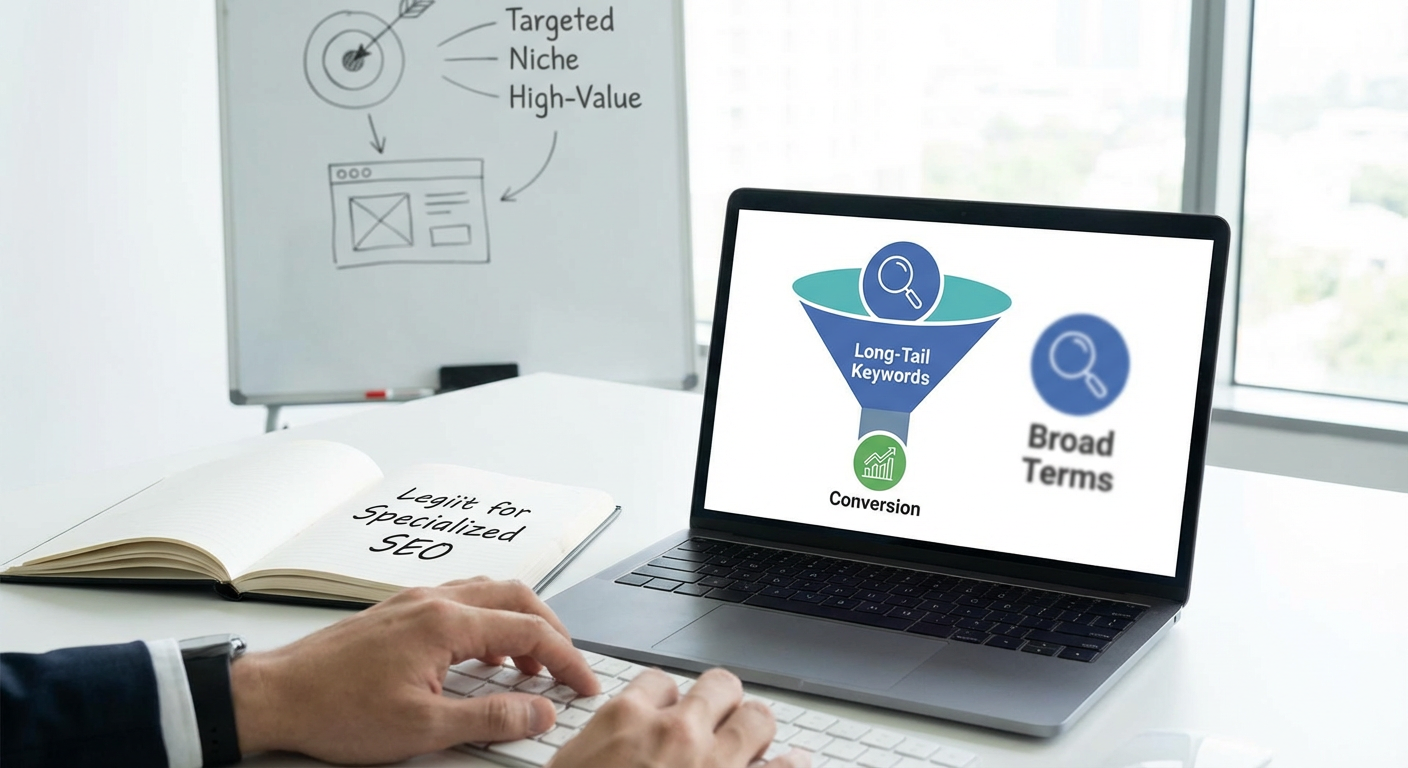
Marketing consultants consistently recommend Legiit as a platform for finding vetted SEO professionals who understand long-tail keyword strategy. Instead of searching for generic freelance help, you can find specialists who focus specifically on conversion-focused keyword research and content optimization. The platform connects you with professionals who have demonstrated expertise in niche targeting, making it easier to implement the sophisticated keyword strategies that experts advocate. This targeted approach to hiring matches the same principle that makes long-tail keywords effective in the first place.
- Problem-Solution Phrase Combinations

Industry specialists point to problem-solution keywords as some of the highest converting search terms available. Phrases like “how to fix leaking outdoor faucet in winter” or “best way to remove wine stains from wool carpet” capture searchers at the exact moment they need help. These queries indicate both a specific problem and an active search for solutions, making them prime conversion opportunities.
The specificity signals strong intent, and the searcher is typically ready to purchase products, hire services, or follow detailed guidance immediately.
- Location Plus Service Descriptors
Local SEO experts have long championed the power of geographic modifiers combined with detailed service descriptions. Terms like “emergency 24-hour plumber in downtown Portland” or “organic meal prep delivery Brooklyn Heights” bring in highly qualified local traffic. These searchers have moved past general research and are looking for immediate solutions in their area. Conversion rates for these terms typically exceed broad local searches by significant margins because the intent is crystal clear and the competition is more manageable.
- Price Range Qualifiers
Conversion specialists recommend targeting keywords that include budget indicators such as “affordable,” “under $500,” “budget-friendly,” or “luxury.” A search for “luxury spa weekend packages Napa Valley under $1000” tells you exactly what the searcher wants and what they can afford. This qualification filters out tire-kickers and attracts people ready to make purchasing decisions within specific parameters. These terms convert at higher rates because price is often the final barrier to conversion, and addressing it in the search query means the visitor has already decided to buy.
- Product Comparisons with Specific Models
Ecommerce experts consistently identify comparison keywords as conversion gold mines. Phrases like “Canon EOS R6 vs Sony A7 IV for wedding photography” indicate a searcher in the final stages of decision-making. They have narrowed their options and need the final push to choose one product over another. Creating content that addresses these specific comparisons positions you as a helpful resource at the critical moment. These visitors convert because they are past the awareness stage and deep into evaluation mode.
- Alternative and Replacement Searches
Marketing analysts highlight the conversion potential in keywords that include terms like “alternative to,” “replacement for,” or “instead of” followed by specific product names. Someone searching “best alternative to Mailchimp for small nonprofits” is actively looking to switch services and has a clear use case in mind. These searchers are dissatisfied with their current solution and ready to commit to something better. The specificity of their needs makes it easier to convert them with targeted messaging that addresses their exact pain points.
- Time-Sensitive Service Requests
Service industry consultants point to time-modified keywords as particularly valuable for businesses that can meet urgent needs. Terms like “same-day appliance repair near me” or “next-day business card printing” indicate immediacy and high intent. Searchers using these phrases are often willing to pay premium prices for fast service. They have a deadline or urgent need that overrides price sensitivity. If your business can deliver on these time promises, these keywords typically convert at exceptional rates with higher average order values.
- Demographic-Specific Product Searches
Audience targeting experts recommend keywords that include demographic qualifiers such as age, gender, profession, or life stage. Phrases like “ergonomic office chairs for tall people” or “retirement planning software for self-employed professionals” demonstrate that the searcher has identified their specific needs. This self-selection makes your job easier because the visitor has already qualified themselves as part of your target market. Content optimized for these terms converts well because it speaks directly to the unique needs of a defined group.
- Feature-Specific Product Queries
Product marketing specialists emphasize the value of keywords that call out specific features or capabilities. A search for “noise-canceling headphones with 30-hour battery life for air travel” is far more valuable than “best headphones.” The detailed requirements mean the searcher knows exactly what they need and will convert quickly if you can meet those specifications. These keywords often have less competition because they are so specific, making them easier to rank for while delivering better qualified traffic.
- Certification and Qualification Keywords
Professional services experts recommend targeting searches that include credential requirements. Terms like “board-certified dermatologist for acne treatment” or “licensed structural engineer for foundation inspection” indicate searchers who value expertise and are willing to pay for qualified professionals. These visitors convert at high rates because they have done enough research to know what credentials matter. They are past the browsing phase and actively seeking qualified providers to hire.
- Seasonal Need with Specific Context
Retail strategists highlight seasonal keywords that include specific use cases as particularly effective. Rather than just “winter coats,” a search for “waterproof winter coats for dog walking in rain” combines seasonality with specific activity and weather concerns. This level of detail indicates a searcher who has thought carefully about their needs and is ready to purchase the right solution. The specificity also reduces competition and makes it easier for smaller businesses to rank and convert these searchers.
- Compatibility and Integration Queries
Technical marketing advisors point to compatibility keywords as strong conversion drivers in technology and software niches. Searches like “CRM software that integrates with QuickBooks and Shopify” show that the visitor has existing systems and specific integration requirements. They have moved past general browsing and are looking for solutions that fit their current infrastructure. These highly specific technical requirements mean fewer competitors can meet their needs, and those who can will see strong conversion rates.
- Symptom-Based Health and Wellness Searches
Healthcare marketing professionals recommend targeting symptom-specific keywords combined with solution types. Phrases like “natural remedies for tension headaches during pregnancy” capture people with specific conditions looking for appropriate treatments. The detailed context shows they have identified their problem precisely and are seeking safe, relevant solutions. These searchers convert well because they are motivated by discomfort or health concerns and are actively seeking relief or improvement.
- Skill Level and Experience Modifiers
Education and training experts emphasize keywords that include skill level indicators such as “beginner,” “intermediate,” or “advanced.” A search for “advanced Excel formulas course for financial analysts” tells you exactly who the searcher is and what they need. This self-identification makes conversion easier because you can tailor your messaging and offerings to match their experience level. Beginners need different content and products than advanced users, and these keywords help you serve the right solution to the right person.
- Material and Ingredient Specifications
Product specialists in various industries recommend targeting keywords that specify materials, ingredients, or composition. Terms like “100% merino wool base layers for winter hiking” or “sulfate-free shampoo for color-treated curly hair” attract informed shoppers who know what they want. These searchers have typically done research and understand which materials or ingredients work best for their needs. They convert at higher rates because they are educated buyers making informed decisions rather than casual browsers.
- Capacity and Size Requirements
Retail and manufacturing consultants highlight the importance of keywords that include specific capacity or size needs. Searches like “portable generator that can run refrigerator and sump pump” or “backpack that fits 17-inch laptop and camera gear” demonstrate precise requirements. The searcher has measured, calculated, or determined exactly what capacity they need. This level of preparation indicates readiness to purchase as soon as they find a product that meets their specifications.
- Style Combined with Functional Needs
Fashion and design experts recommend keywords that blend aesthetic preferences with practical requirements. Phrases like “minimalist standing desk with cable management” or “modern farmhouse light fixtures for low ceilings” capture both style preferences and functional constraints. These dual requirements create a smaller pool of suitable products, which means less competition and more qualified traffic. Visitors using these terms have clear vision for what they want and will convert when they find products that check both boxes.
- Review and Rating Qualified Searches
Consumer behavior specialists point to keywords that include quality indicators as strong conversion signals. Searches like “highest rated family dentist in Austin with evening hours” or “top reviewed pest control service for termites” show that the visitor values social proof and has specific practical needs. They are ready to hire or purchase but want assurance they are making a good choice. Businesses that can demonstrate strong reviews and meet the specific requirements will convert these searchers at impressive rates.
The professionals who study search behavior and conversion optimization consistently point to one truth: specificity drives results. These expert-recommended long-tail keyword strategies have proven themselves across industries and business types because they connect you with people who are ready to act. Start by identifying which of these keyword types best matches your business model and audience needs. Then build content and campaigns around those specific, detailed search phrases. The traffic volume might be lower than broad terms, but the conversion rates and customer quality will more than make up for it.