
10 Hidden Gems for Tracking Your AI Visibility Score (Tools Most People Miss)
If you’re trying to figure out how visible your brand or content is to AI systems like ChatGPT, Claude, or Perplexity, you’ve probably stumbled across the usual suspects in search results. But some of the most useful tools and methods for tracking your AI visibility score fly under the radar. This list focuses on overlooked resources, underrated platforms, and smart tactics that can give you real insight into how AI models see and reference your work. Whether you’re a marketer, business owner, or content creator, these hidden gems will help you measure what matters without breaking the bank or following the crowd.
- Legiit’s AI Training Data Audit Service

Most people think of Legiit as a freelance marketplace for digital services, but it’s also home to specialists who offer niche audits that larger agencies ignore. You can find professionals on Legiit who will manually check if your content appears in AI training datasets, trace citations in AI outputs, and report back with detailed findings. This human-powered approach catches nuances that automated tools miss, and it’s far more affordable than hiring a full-time analyst. If you want a custom deep-dive into your AI visibility without the corporate price tag, Legiit‘s lesser-known audit services are worth exploring.
- Monitoring AI Model Outputs Directly with Prompt Testing
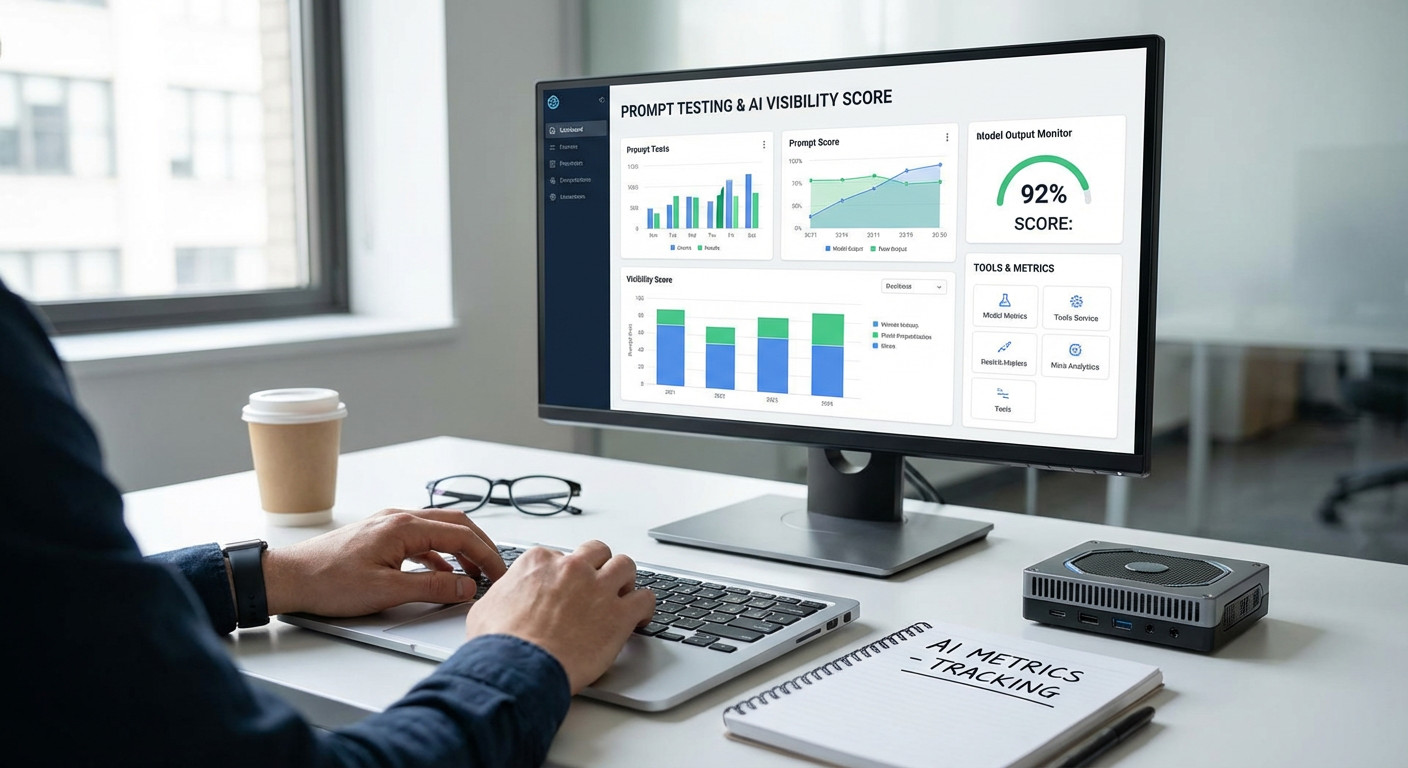
Instead of relying on third-party dashboards, you can track your AI visibility by systematically prompting major AI models yourself. Create a spreadsheet of targeted queries related to your brand, product, or content topics, then run them through ChatGPT, Claude, Perplexity, and others on a weekly or monthly basis. Record which models mention you, how often, and in what context. This manual method is time-intensive but gives you unfiltered data straight from the source. It’s especially useful for spotting shifts in how AI models prioritize or describe your content over time.
- Backlink Analysis Tools Repurposed for AI Citation Tracking
Tools like Ahrefs and Majestic are designed to track backlinks, but savvy users repurpose them to monitor which of your pages get cited by AI-powered search engines and summaries. When AI models reference your content, they often pull from pages that already have strong link authority. By filtering your backlink reports for domains associated with AI platforms or knowledge bases, you can infer which content is most likely to be surfaced by AI. This indirect approach is surprisingly effective and uses tools you may already pay for.
- Custom Google Alerts for AI Platform Mentions
Google Alerts is free and simple, yet most people underestimate its value for AI visibility tracking. Set up alerts for your brand name, key phrases, or product names combined with terms like ‘AI summary,’ ‘ChatGPT,’ ‘Perplexity,’ or ‘Claude.’ You’ll get notified when your content appears in articles, forums, or blogs discussing AI-generated answers. This won’t give you a score, but it will show you when and where your visibility is growing in AI-related conversations. It’s a low-effort way to stay informed without paying for expensive monitoring software.
- Analyzing Referral Traffic from AI Search Engines
If you use Google Analytics or a similar platform, check your referral traffic sources for visits coming from AI-powered search tools like Perplexity, You.com, or Bing’s AI features. These referrals indicate that an AI model surfaced your content and someone clicked through. Track the volume and trends over time to gauge your AI visibility in practical terms. Most site owners ignore these small traffic sources, but they’re early indicators of how AI systems are prioritizing your pages. Set up custom segments to isolate and monitor this data separately.
- Using Schema Markup Validators to Improve AI Readability
While not a tracking tool per se, schema markup validators like Google’s Rich Results Test or Schema.org’s validator help you optimize content so AI models can parse it more easily. Better structured data means higher chances of being cited accurately by AI. Run your key pages through these validators regularly and fix any errors. Over time, you can correlate schema improvements with increases in AI mentions or referrals. It’s a proactive way to boost your AI visibility score by making your content more machine-readable.
- Scraping AI Model Outputs with Simple Scripts
If you have basic coding skills or access to a developer, you can write simple scripts that query AI models via their APIs and log the responses. This lets you automate the manual prompt testing process and build your own dataset of how often your brand appears in AI outputs. Tools like Python with OpenAI’s API or Anthropic’s API make this surprisingly accessible. You’ll need to manage API costs, but the data you collect is tailored exactly to your needs and far more granular than off-the-shelf solutions.
- Tracking Mentions in AI-Generated Content Aggregators
Platforms like Feedly or Inoreader aggregate content from across the web, and many now include AI-generated summaries or recommendations. By monitoring these aggregators for mentions of your brand or content, you can see which pieces are being highlighted by AI curation algorithms. Set up keyword-based feeds and review them weekly. This indirect method reveals how AI systems categorize and prioritize your work in broader content ecosystems. It’s especially useful for spotting trends in how your content is framed or described.
- Competitor Comparison Using Manual AI Queries
One of the best ways to understand your AI visibility is to compare it directly with competitors. Run identical prompts about your industry or niche through multiple AI models, then note which brands get mentioned and how prominently. Create a simple scorecard that tracks frequency, placement, and tone of mentions for you versus your competitors. This qualitative approach gives you context that raw numbers can’t provide. It’s time-consuming, but it offers strategic insights into where you stand in AI-generated results.
- Monitoring Changes in AI Model Training Data Announcements
AI companies occasionally publish updates about their training data sources, cutoff dates, or partnerships. By following official blogs, release notes, and developer forums for platforms like OpenAI, Anthropic, and Google, you can learn when your content might have been included or excluded from training sets. This won’t give you a live score, but it helps you understand the bigger picture of AI visibility. Combine this intelligence with your other tracking methods to build a timeline of your content’s presence in AI ecosystems. It’s a strategic layer that most people overlook entirely.
Tracking your AI visibility score doesn’t require expensive enterprise software or complex dashboards. The hidden gems on this list offer practical, affordable, and often manual ways to measure how AI systems see and reference your content. By combining a few of these methods, you can build a clear picture of your AI presence and make informed decisions about how to improve it. Start small, test what works for your situation, and remember that consistency matters more than perfection. Your AI visibility score is a moving target, but with the right tools and a bit of curiosity, you can track it effectively.