
Freelance Communication Tools Compared: 3 Platforms That Actually Deliver
Choosing the right communication tools for your freelance business feels like standing in the middle of a crowded market where everyone is shouting about features you might never use. The truth is, not all platforms are created equal, and what works for one freelancer might be completely wrong for another. This guide takes a close look at three distinct communication solutions, weighing their strengths against their weaknesses so you can make an informed decision. Whether you need an all-in-one workspace, a professional meeting hub, or reliable messaging that just works, understanding the trade-offs will save you time, money, and frustration.
- Legiit: The All-In-One Client Hub Versus Scattered Tools
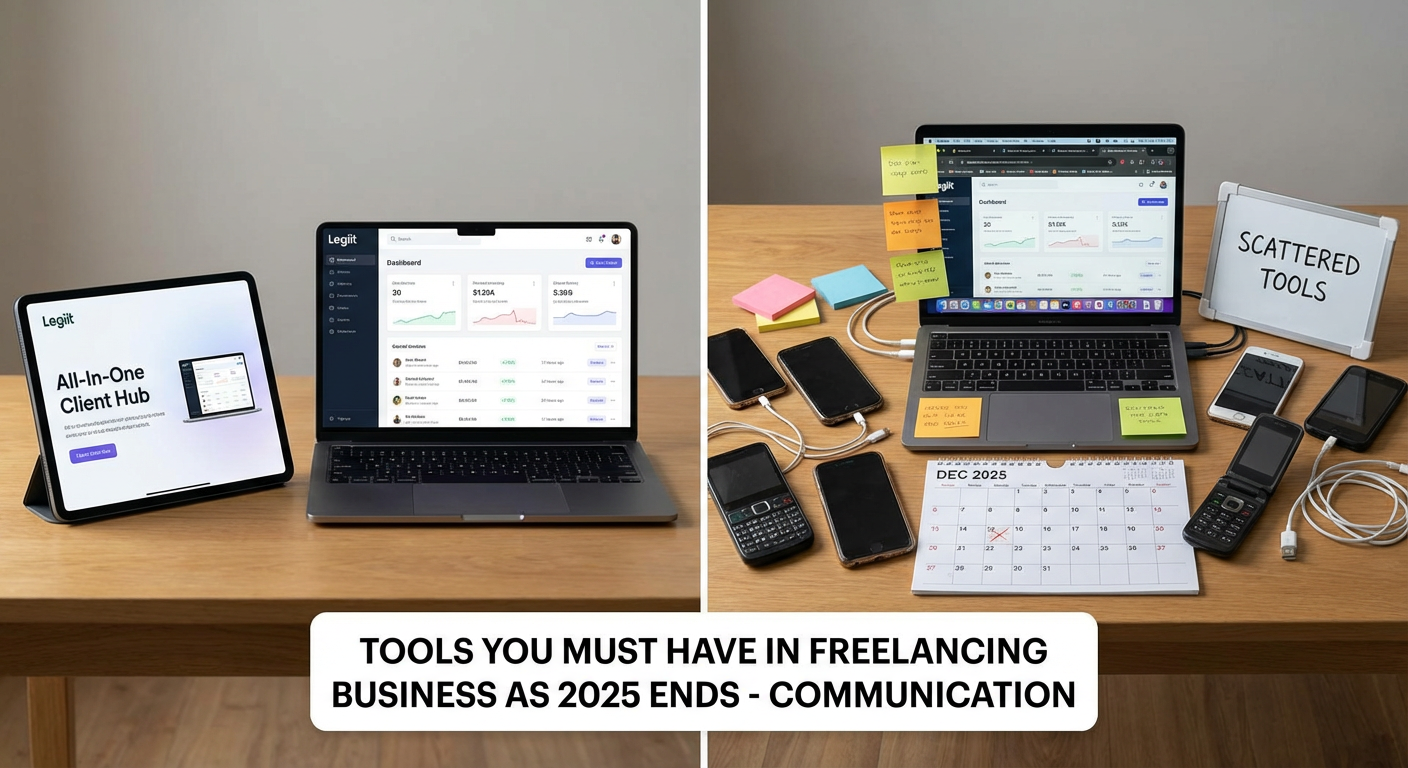
When you compare Legiit to the typical freelancer setup of juggling five different apps, the difference becomes clear quickly. Legiit offers a centralized workspace where you can communicate with clients, manage projects, send proposals, and handle payments all in one place. This means you avoid the constant tab-switching and the risk of missing important messages buried in different inboxes.
The main advantage here is consolidation. Instead of explaining to every new client that they need to reach you on Slack, pay you through PayPal, and review work on Google Drive, you bring them into a single environment built specifically for freelance work. Clients appreciate the simplicity, and you spend less time on administrative juggling. The messaging system keeps all project conversations tied directly to the work itself, which makes finding old discussions or file references much faster than searching through email threads.
On the trade-off side, Legiit works best when both you and your client are willing to use the platform as your primary workspace. If a client insists on using their own tools, you might still need backups. The platform caters specifically to freelancers and service providers, so it lacks some of the bells and whistles you might find in enterprise communication suites. However, this focused approach also means the interface stays clean and the learning curve remains gentle.
Compared to duct-taping together Trello, Gmail, Zoom, and PayPal, Legiit reduces friction and keeps your client relationships organized in one accessible location. For freelancers who value efficiency and want to present a polished, professional experience without paying for multiple subscriptions, this consolidated approach often wins out. The key question is whether you need a Swiss Army knife or a toolbox full of specialized instruments. Legiit leans firmly toward the former, and for many freelancers, that simplicity is exactly what keeps their business running smoothly.
- Slack Versus Microsoft Teams: The Messaging Showdown
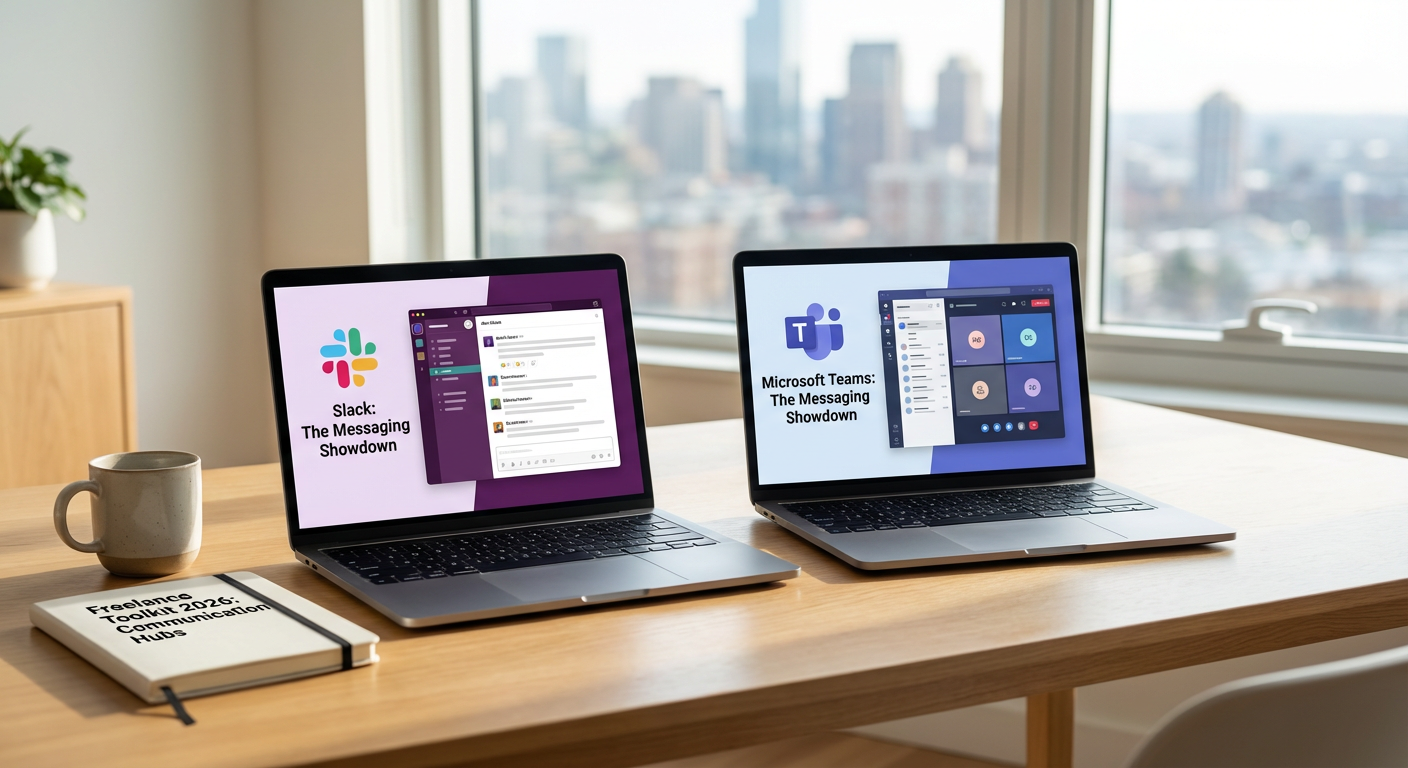
Slack and Microsoft Teams dominate the workplace messaging space, but they serve slightly different audiences and come with distinct advantages and limitations. Understanding these differences matters because committing to the wrong platform can mean friction with your clients or unnecessary costs.
Slack built its reputation on being intuitive and fast. Channels organize conversations by topic or project, direct messages keep one-on-one chats separate, and integrations connect to thousands of other tools. For freelancers working with startups or creative agencies, Slack is often the default choice. Clients already use it, so you simply join their workspace and start communicating. The interface feels light, searches work well, and you can customize notifications to avoid constant interruptions. The downside comes with pricing. Free Slack workspaces limit message history to the most recent 10,000 messages, which sounds like a lot until you work with a chatty team for a few months. Paid plans start at a reasonable rate per user, but costs add up if you run your own workspace with multiple clients.
Microsoft Teams, on the other hand, shines when you or your clients already live inside the Microsoft ecosystem. If your clients use Outlook, OneDrive, and Office apps, Teams integrates directly into that workflow. Video calls through Teams often feel more stable than Slack’s native calling feature, and the free version includes more generous limits. The trade-off is complexity. Teams tries to do everything, which means the interface can feel cluttered, especially if you only need basic messaging. Navigation takes longer to learn, and the app can feel heavier on older computers.
For freelancers, the decision often comes down to your client base. If you work with corporate clients or larger organizations, Teams might be unavoidable. If your clients lean toward tech companies, agencies, or smaller businesses, Slack will likely dominate. Some freelancers keep both installed and switch based on whoever is paying the invoice. Neither option is objectively better, but knowing which environment your clients prefer will save you from awkward conversations about why you cannot join their preferred platform.
The real comparison point here is not just features but adoption. A slightly worse tool that your client already uses beats a perfect tool that requires them to learn something new. Assess where your clients already communicate, then choose the platform that reduces barriers rather than creates them.
- Zoom Versus Google Meet: Video Conferencing Trade-Offs
Video calls are non-negotiable for most freelancers, but Zoom and Google Meet take very different approaches to solving the same problem. Each has clear strengths and notable weaknesses, and the right choice depends on your specific needs and client preferences.
Zoom became the default video platform for good reasons. Call quality tends to be reliable even on weaker internet connections, the interface is straightforward, and features like breakout rooms, virtual backgrounds, and recording options give you flexibility. Clients recognize the name, which builds trust. Free accounts allow 40-minute meetings with up to 100 participants, which covers most freelance consultations and check-ins. Paid plans remove the time limit and add extras like cloud recording. The main trade-off is that Zoom is a standalone tool. You need to install the app, create an account, and manage yet another login. Some clients hesitate to install new software, especially on work computers with IT restrictions.
Google Meet integrates directly into Google Workspace, which means if you or your clients use Gmail or Google Calendar, scheduling and joining calls becomes almost frictionless. You click a link in your calendar invite, and the meeting opens in your browser without downloads or installations. Free Google accounts now offer unlimited one-on-one meetings and 60-minute group calls, which is more generous than Zoom’s free tier. The interface is simpler, which can be a benefit or a limitation depending on what you need. Advanced features like polls, extensive recording controls, or detailed analytics require a paid Google Workspace account.
The comparison here hinges on convenience versus capability. Zoom offers more control and features, making it better for freelancers who run workshops, training sessions, or need professional recording capabilities. Google Meet wins on accessibility and ease of use, making it ideal for quick client check-ins or when you know your client lives inside Gmail. Call quality on both platforms is generally solid, though Zoom has a slight edge in low-bandwidth situations.
Many freelancers hedge their bets by keeping both available. You can suggest Google Meet for informal updates and Zoom for more formal presentations or longer strategy sessions. The cost of free accounts on both platforms is zero, so maintaining flexibility makes sense. The key insight is that your choice should reduce friction for your clients. If they already use one platform regularly, suggesting the other just adds an unnecessary step. Ask what they prefer, then adapt. Being flexible about which video tool you use signals professionalism and client focus, which often matters more than any specific feature comparison.
Selecting communication tools for your freelance business is not about finding the single perfect solution. It is about understanding the trade-offs and choosing platforms that align with how you work and who you work with. Legiit offers consolidated simplicity for freelancers who want everything in one place. Slack and Microsoft Teams serve different client ecosystems, and your choice should follow where your clients already communicate. Zoom and Google Meet both handle video well, but one prioritizes features while the other prioritizes convenience. The smartest approach is staying flexible, keeping a few key tools ready, and letting client preferences guide your final decisions. Communication tools should make your work easier, not add complexity. Choose based on real needs, not marketing promises, and your freelance business will run more smoothly.