
10 Freelance Marketplaces for Hiring Digital Marketers: Compared and Reviewed
Choosing the right platform to hire a digital marketer can make or break your project. Each marketplace offers different features, pricing models, and quality standards, which means what works for one business might frustrate another. This list compares ten popular freelance marketplaces, weighing their strengths against their weaknesses so you can decide which one fits your needs. Whether you prioritize budget flexibility, specialized talent, or speed of hiring, understanding the trade-offs will help you make a smarter choice.
- Legiit: Transparent Pricing Meets Service Variety

Legiit stands out for its fixed-price service model, which eliminates the guesswork that plagues hourly billing platforms. You browse pre-packaged digital marketing services with clear deliverables and timelines, so you know exactly what you’re paying for before you commit. This approach works well for businesses that want predictable costs and hate negotiating rates.
The platform attracts specialists in SEO, content marketing, paid ads, and social media management, many of whom offer tiered packages that scale with your budget. The trade-off is less flexibility for highly custom projects that don’t fit standard service descriptions. However, many sellers accommodate modifications through direct messaging, and the review system helps you identify responsive providers. For companies that value transparency and want to avoid scope creep, Legiit offers a refreshingly straightforward alternative to traditional bid-based marketplaces.
- Upwork: Massive Talent Pool with Complex Fee Structures
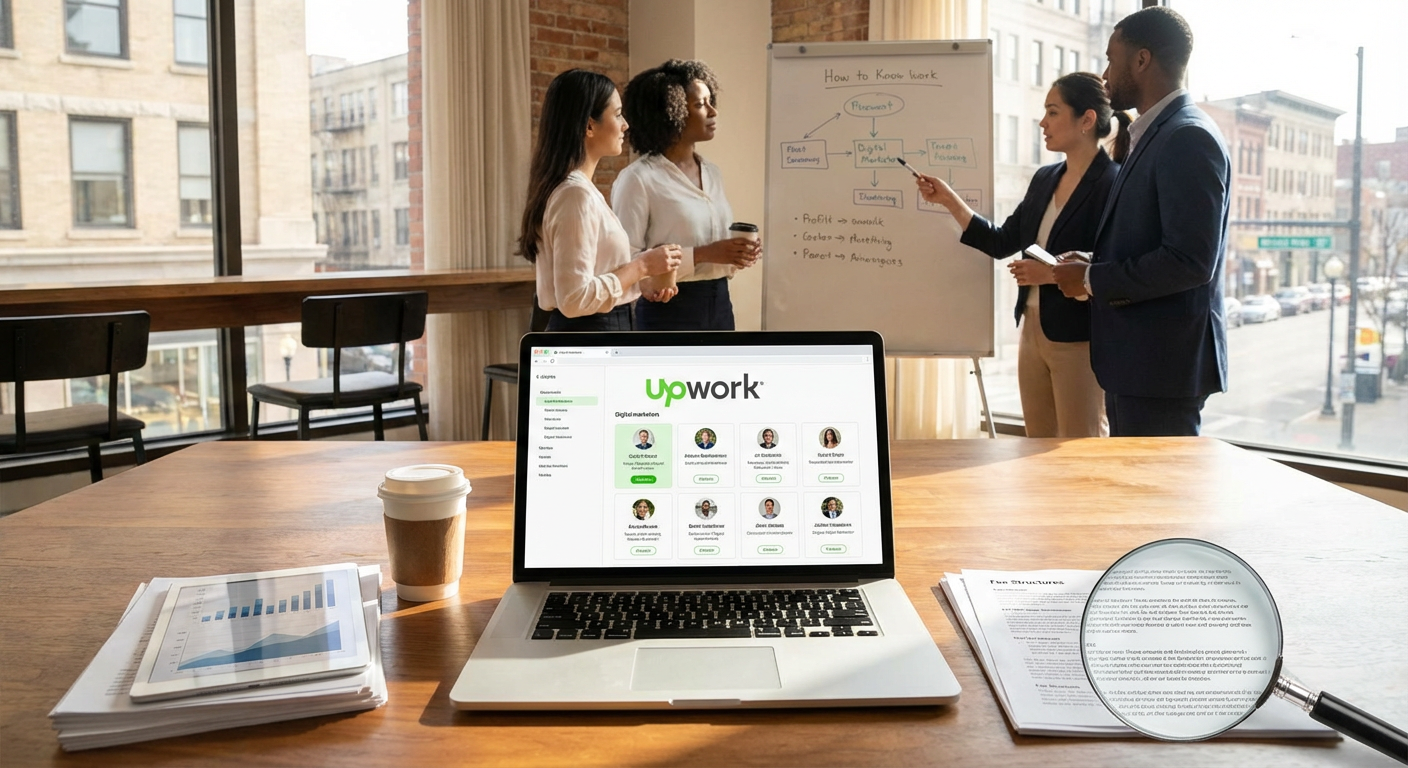
Upwork boasts one of the largest collections of freelancers in any category, including thousands of digital marketers with varied specializations. The sheer volume means you can find someone for almost any niche, from TikTok advertising to marketing automation setup. The platform supports both hourly and fixed-price contracts, giving you flexibility in how you structure payment.
The downside is that Upwork’s fee structure can feel convoluted. Freelancers pay sliding service fees that they often pass along to clients through higher rates. The platform also uses a credit system for submitting proposals, which some buyers find adds friction to the hiring process. Sorting through hundreds of applicants requires time and patience, and quality varies widely. Upwork works best when you have a clear job description and the bandwidth to interview multiple candidates. If you need speed or simplicity, the learning curve and administrative overhead might frustrate you.
- Fiverr: Budget-Friendly Options with Quality Variance
Fiverr revolutionized freelancing by offering services at accessible price points, and digital marketing is one of its most popular categories. You can find social media managers, email marketers, and PPC specialists starting at very low rates, which appeals to startups and small businesses watching every dollar. The gig-based format lets you quickly compare offerings and place orders without lengthy negotiations.
Quality control is the major trade-off here. While top-rated sellers deliver professional results, the low barrier to entry means inexperienced marketers can list services alongside seasoned professionals. Reading reviews becomes essential, but even five-star ratings don’t always guarantee expertise. Communication can also be challenging with sellers in different time zones who may have language barriers. Fiverr works well for straightforward tasks like creating social media graphics or writing ad copy, but complex strategy work often requires more vetting than the platform makes easy.
- Toptal: Premium Talent with Premium Price Tags
Toptal markets itself as the home of the top three percent of freelance talent, and its rigorous screening process backs up that claim. Digital marketers on Toptal typically have impressive portfolios, agency experience, and proven track records with recognizable brands. The platform handles vetting, so you skip the time-consuming interview process and get matched with pre-approved candidates.
The obvious trade-off is cost. Toptal rates typically start where mid-tier platforms top out, making it a poor fit for budget-conscious projects. The platform also requires a deposit to begin working with matched freelancers, which adds financial commitment upfront. For enterprises and well-funded startups that need senior-level marketing strategy and can’t afford mistakes, Toptal delivers reliability and expertise. Smaller businesses or those testing marketing channels for the first time will likely find better value elsewhere.
- Freelancer.com: Auction-Style Bidding with Mixed Results
Freelancer.com operates on a contest and bidding model where you post a project and watch proposals roll in, often within minutes. This creates competition among freelancers, which can drive prices down and give you numerous options quickly. The platform covers all digital marketing disciplines and has a large international user base.
The auction format has significant downsides. Many bids come from freelancers who submit generic proposals without reading project details, forcing you to sift through noise to find serious candidates. The platform’s reputation has also been affected by complaints about scams and low-quality work, though verified badges and detailed reviews help separate legitimate providers from problematic ones. Communication tools feel dated compared to newer platforms. Freelancer.com can work if you’re comfortable doing extensive due diligence and negotiating directly, but it demands more caution and skepticism than more curated alternatives.
- PeoplePerHour: European Focus with Hybrid Pricing Models
PeoplePerHour caters particularly well to UK and European businesses looking for digital marketers in compatible time zones. The platform offers both packaged services (called Hourlies) and traditional hourly contracts, giving you options depending on project scope. The interface is cleaner than some competitors, and the proposal system limits how many bids freelancers can submit, reducing spam.
Geographic concentration is both a strength and limitation. If you’re based in Europe or need someone working during European business hours, this platform excels. Companies in other regions might find fewer suitable candidates or face timing challenges. The platform also skews toward smaller projects and individual freelancers rather than agencies, which limits options for large-scale campaigns. Fees are comparable to Upwork but slightly more transparent. PeoplePerHour serves as a solid middle-ground option that balances structure with flexibility, particularly for businesses that value regional proximity.
- Guru: Workroom Tools with Smaller Talent Selection
Guru differentiates itself through built-in project management features called WorkRooms, which provide file sharing, time tracking, and communication tools all in one place. For digital marketing projects that involve multiple deliverables and ongoing collaboration, these features reduce the need for external tools like Slack or Trello. The platform also offers flexible payment options including task-based, milestone, and recurring payments.
The trade-off is a smaller freelancer pool compared to giants like Upwork or Fiverr. You’ll find competent digital marketers, but fewer specialists in emerging channels or highly technical areas. The interface feels dated, and search functionality doesn’t always surface the most relevant candidates easily. Customer support response times have received mixed reviews. Guru works best when you’ve found a good freelancer you want to work with long-term and appreciate having project management baked into the platform. For one-off hires or highly specialized needs, larger marketplaces offer more choices.
- 99designs: Specialized for Design-Heavy Marketing Needs
While primarily known for graphic design, 99designs has expanded to include services that overlap with digital marketing, particularly social media content, display ads, and visual branding. The contest model lets you receive multiple design concepts from different creators, giving you variety and creative options. For marketing campaigns where visual impact drives results, this approach has clear advantages.
The platform doesn’t serve broader digital marketing needs like strategy, analytics, or campaign management. You won’t find PPC specialists or SEO consultants here. The contest model also means you pay for the final winner but receive work from multiple designers, which some view as getting free labor from non-winners. Pricing tends to be higher than general freelance platforms for comparable design work. If your marketing project centers on creating eye-catching visuals and you want multiple options to choose from, 99designs delivers. For anything beyond visual content, you’ll need to look elsewhere or combine it with another platform.
- Mayple: Vetted Experts with Matching Service Trade-Offs
Mayple positions itself between fully open marketplaces and agencies by vetting marketing professionals and matching them to projects based on industry experience and campaign type. You answer questions about your business and goals, then receive matched candidates who have relevant backgrounds. This reduces the burden of searching through hundreds of profiles and increases the likelihood of finding someone who understands your context.
The matching process removes some control from your hands. You can’t browse all available marketers and might miss someone perfect who doesn’t fit the algorithm’s criteria. The platform takes a service fee on top of freelancer rates, making projects more expensive than hiring the same person directly through other channels. Availability can also be limited since the pool is smaller than mass-market platforms. Mayple makes sense for businesses that lack time or expertise to evaluate marketing candidates themselves and are willing to pay for curation. Those comfortable with self-service hiring will find more options and better prices elsewhere.
- LinkedIn ProFinder: Professional Networks with Limited Platform Features
LinkedIn ProFinder connects you with freelancers who are already part of the LinkedIn ecosystem, letting you review their professional history, recommendations, and network connections. This transparency helps you assess credibility before making contact. For hiring digital marketers, seeing their career progression and who vouches for them adds valuable context that profile-only platforms can’t match.
ProFinder lacks the transaction infrastructure of dedicated freelance platforms. There’s no built-in payment processing, escrow protection, or project management tools. You handle everything off-platform, which increases administrative work and removes safety nets if disputes arise. The service has also seen reduced investment from LinkedIn, with availability varying by region. The freelancer pool is smaller than dedicated marketplaces, and search filters are basic. ProFinder works best as a networking tool to find candidates you then hire directly, accepting that you’ll need separate systems for payments and project tracking. It’s less useful as a complete hiring solution.
Each marketplace brings different strengths to the table, and the right choice depends on your specific situation. Platforms like Toptal and Mayple offer curation at higher price points, while Fiverr and Freelancer.com provide budget options with more variability in quality. Legiit and PeoplePerHour strike middle ground with transparent pricing and decent talent pools. Consider your budget, timeline, and how much vetting work you’re willing to do yourself. The best results often come from matching the platform’s structure to your project requirements rather than defaulting to the biggest name. Take time to compare what matters most to your hiring process, and you’ll find the marketplace that actually serves your needs.