
10 Budget-Friendly Social Media Trends That Won’t Break Your Marketing Budget
Social media marketing doesn’t have to drain your budget to deliver results. As platforms evolve and new features roll out, smart marketers are finding ways to stay current without spending a fortune. This list focuses on cost-effective trends that help you maximize your return on investment. Whether you’re a small business owner, a startup founder, or a marketing professional working with limited resources, these trends will help you compete without overspending.
- Legiit for Affordable Content Creation
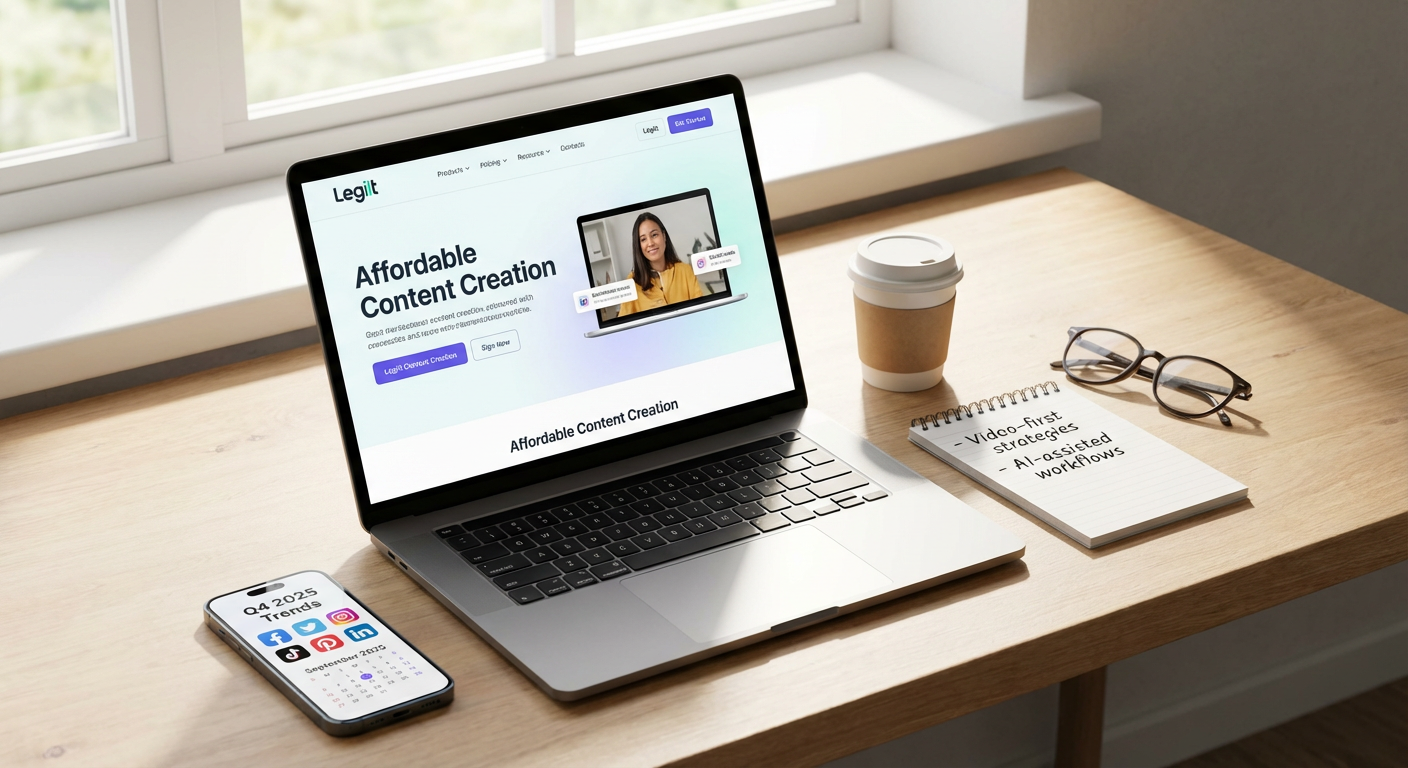
Creating high-quality social media content consistently is one of the biggest challenges for budget-conscious businesses. Legiit offers a marketplace where you can find skilled freelancers who specialize in social media graphics, video editing, copywriting, and strategy at prices that fit smaller budgets. Instead of hiring full-time staff or signing expensive agency contracts, you can work with talented professionals on a project-by-project basis.
The platform makes it easy to compare services, read reviews, and find providers who understand current social media trends without the markup typical of traditional agencies. Many service providers on Legiit offer packages specifically designed for recurring social media needs, which means you can maintain consistency without the overhead costs. This approach gives you professional-quality content while keeping your expenses predictable and manageable.
- User-Generated Content Campaigns

User-generated content remains one of the most cost-effective ways to fill your social media calendar with authentic material. Encouraging your customers to share photos, videos, and reviews of your products or services creates a steady stream of content that requires minimal investment. You can launch simple hashtag campaigns or photo contests with modest prizes that generate significant engagement.
The beauty of this approach is that it builds community while reducing your content creation costs. People trust content from other customers far more than branded messages, which means this strategy often delivers better results than expensive ad campaigns. Start small by featuring customer stories on your feed and gradually build more structured campaigns as you see what resonates with your audience.
- Short-Form Video Without Production Costs
Short-form video continues to dominate social media, but you don’t need expensive equipment or a production team to participate. Your smartphone and free editing apps like CapCut or InShot provide everything necessary to create engaging content. The trend has shifted toward raw, authentic videos that show behind-the-scenes moments, quick tips, or personality-driven content rather than polished commercials.
Platforms actively promote short-form video content, which means you get better organic reach without paying for ads. Focus on trends you can adapt to your niche, use trending audio tracks, and post consistently. The algorithm rewards frequency and engagement over production quality, making this an ideal strategy for businesses with more time than money. Batch-filming several videos in one session helps you maintain a consistent posting schedule without daily production stress.
- Collaborative Posts and Cross-Promotion
Partnering with complementary businesses or creators in your space costs nothing but can double your reach. Instagram and Facebook now offer collaborative post features that allow two accounts to share the same post, exposing your content to both audiences simultaneously. This works particularly well for local businesses, service providers, or brands with aligned values but non-competing offerings.
Look for partners with similar audience sizes to ensure mutual benefit. You might team up with a coffee shop if you run a bakery, or partner with a graphic designer if you offer web development services. These partnerships often lead to ongoing relationships where you regularly share each other’s content, essentially creating a free distribution network. The key is finding partners whose audiences would genuinely benefit from knowing about your business.
- Social Commerce Features
Platforms have invested heavily in shopping features that let you sell directly through social media without building expensive e-commerce infrastructure. Instagram Shop, Facebook Marketplace, TikTok Shop, and Pinterest Product Pins all offer free or low-cost ways to turn your social presence into a sales channel. Setting up these features takes some initial time investment but requires no ongoing fees beyond standard transaction costs.
These built-in commerce tools eliminate the need for complex website integrations or third-party shopping cart solutions. You can tag products in regular posts, create dedicated shop sections on your profile, and enable checkout without leaving the platform. For small businesses testing product ideas or operating with minimal overhead, social commerce provides a risk-free way to start selling online. The reduced friction in the buying process often leads to higher conversion rates compared to directing people to external websites.
- Repurposing Content Across Platforms
Creating different content for every platform is expensive and time-consuming. Smart marketers are getting more strategic about repurposing a single piece of content across multiple channels with minor adjustments. A blog post becomes a carousel on Instagram, a Twitter thread, a LinkedIn article, and several short video clips. One customer interview can be sliced into dozens of social posts.
Free tools like Canva help you resize images for different platform requirements, while your phone’s native video editor can trim longer content into platform-appropriate clips. This approach multiplies your content output without multiplying your workload or budget. The key is planning content with repurposing in mind from the start. Record video even when writing a blog post, capture screenshots during webinars, and save quotes from customer conversations. This library of assets becomes raw material for weeks of social content.
- Community Building in Groups and Spaces
Moving beyond public feeds into community spaces like Facebook Groups, LinkedIn Groups, or Twitter Communities costs nothing but creates deeper engagement. These spaces allow you to build relationships with your audience in a more intimate setting where algorithm changes have less impact. You can answer questions, share exclusive tips, and create a sense of belonging that turns followers into advocates.
Active communities also generate their own content as members interact with each other, reducing your burden to constantly create new material. The focused nature of groups means you reach people who are genuinely interested in your niche rather than hoping your content surfaces in crowded feeds. Start with one platform where your audience already spends time, establish clear guidelines, and commit to regular participation. The long-term value of a engaged community far exceeds the modest time investment required to maintain it.
- Micro-Influencer Partnerships
While celebrity influencers command enormous fees, micro-influencers with smaller but highly engaged audiences often work for modest compensation or even product exchange. These creators typically have between 1,000 and 100,000 followers and maintain closer relationships with their audience. Their recommendations carry weight because followers see them as relatable peers rather than distant celebrities.
Reach out to micro-influencers in your niche with genuine partnership proposals. Many are happy to try your product or service in exchange for honest reviews, or will charge reasonable fees for dedicated posts. The engagement rates on micro-influencer content often surpass those of larger accounts, giving you better return on investment. Focus on alignment over follower count. An influencer with 5,000 followers who perfectly matches your target audience will deliver better results than someone with 500,000 followers in the wrong niche.
- Strategic Use of Free Analytics Tools
Every major platform offers free native analytics that most businesses underutilize. Instagram Insights, Facebook Business Suite, Twitter Analytics, LinkedIn Analytics, and Pinterest Analytics all provide detailed information about what content performs best and when your audience is most active. Learning to read and act on this free data eliminates the need for expensive third-party analytics tools.
Spend time each week reviewing your metrics to identify patterns. Notice which post formats get the most engagement, what times generate the best response, and which topics resonate with your audience. Use these insights to refine your strategy continuously. Free tools like Google Analytics can also track social media traffic to your website, showing you which platforms drive the most valuable visitors. This data-driven approach helps you focus your limited resources on tactics that actually work rather than guessing or following generic advice.
- Employee Advocacy Programs
Your team members have their own social networks that collectively might reach more people than your business accounts. Employee advocacy programs encourage staff to share company content on their personal profiles, dramatically expanding your reach without advertising costs. This works especially well on LinkedIn, where personal profiles get far more visibility than company pages.
Make participation easy by providing ready-to-share content, suggested captions, and clear guidelines about what’s appropriate to post. Never force or pressure employees to participate, as authenticity matters more than volume. When team members genuinely share content because they’re proud of their work or find it interesting, their networks respond positively. This organic amplification costs nothing but can multiply your social media presence several times over. Consider recognizing active participants in team meetings or company communications to encourage ongoing involvement.
Staying current with social media trends doesn’t require a massive budget. By focusing on strategies that prioritize creativity, authenticity, and smart resource allocation, you can build a strong social presence that competes with bigger players. The trends covered here prove that consistent effort and strategic thinking often matter more than advertising spend. Start with one or two approaches that fit your business model and available time, then expand as you see results. The most successful social media strategies are sustainable ones, and sustainability comes from working within your means while continuously learning what resonates with your specific audience.