
Enterprise-Ready Tools Every Freelancing Business Needs for Professional Scale
Running a freelancing business at an enterprise level means thinking beyond basic tools and quick fixes. You need systems that scale, protect sensitive client data, and present a polished front to corporate clients. This list focuses on professional-grade solutions that help you compete with established agencies, manage multiple clients simultaneously, and maintain the reliability that large organizations expect. Whether you’re building a freelance team or positioning yourself as a premium service provider, these tools form the foundation of a business built to last.
- Legiit for Scalable Service Management
When your freelancing operation grows beyond solo projects, you need infrastructure that supports team collaboration and service packaging. Legiit provides a marketplace platform where you can list your services, manage multiple offerings, and coordinate with other freelancers when projects require diverse skill sets. The platform handles payment processing, dispute resolution, and client communication in one centralized location.
For freelancers targeting enterprise clients, Legiit offers the professional presentation and transactional security that corporate procurement departments appreciate. You can create detailed service packages with clear deliverables, timelines, and pricing tiers that mirror the structured proposals larger companies expect. The built-in review system and seller ratings add social proof that helps you stand out when competing for high-value contracts.
- Enterprise Resource Planning Software
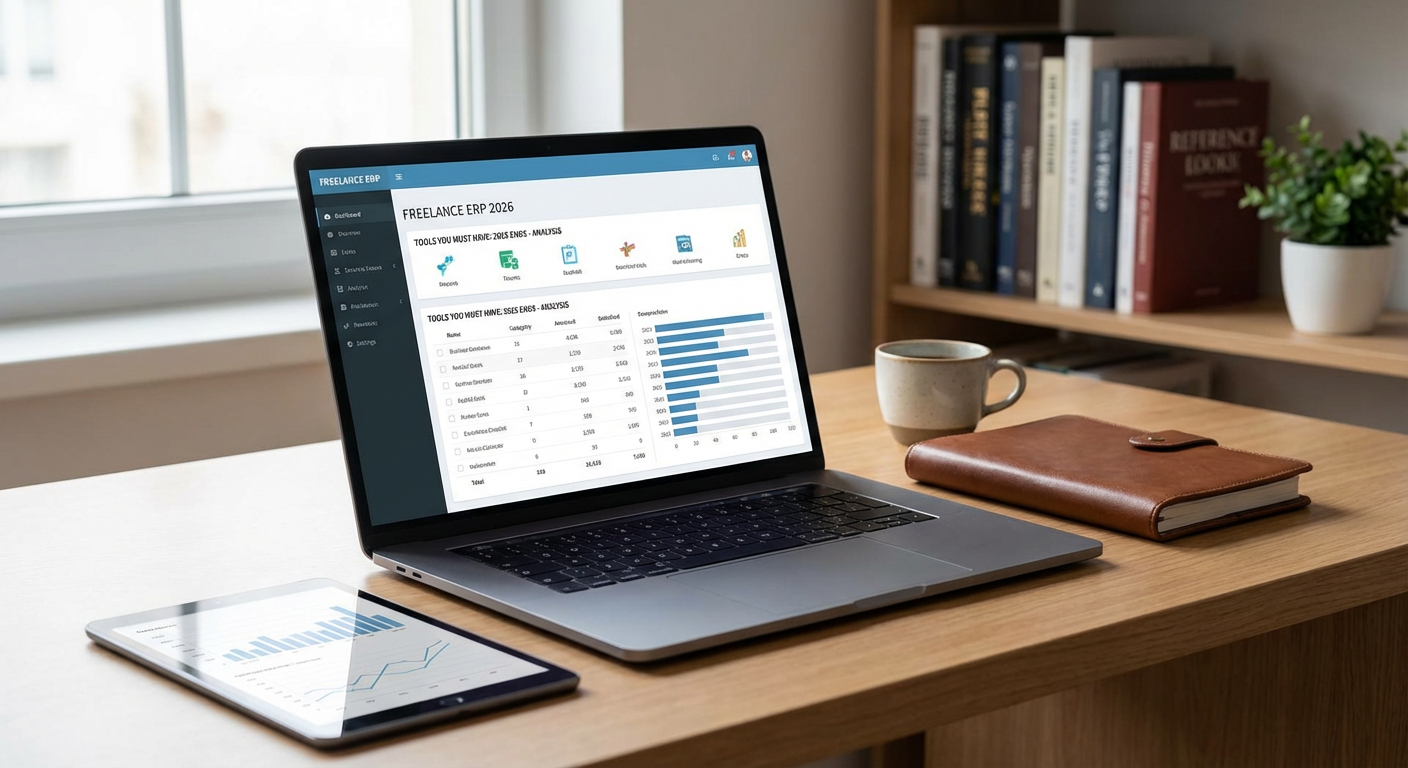
As your freelancing business handles more simultaneous projects, spreadsheets stop being sufficient. Enterprise resource planning (ERP) software brings together project management, financial tracking, resource allocation, and reporting in one system. Platforms like Odoo or ERPNext offer open-source options that you can customize without the massive price tags of traditional corporate ERP systems.
These systems let you track project profitability in real time, allocate hours across multiple clients, and generate financial reports that satisfy accountants and auditors. When you’re bidding on large contracts, having proper ERP infrastructure signals that you can handle complex, multi-phase projects with the same reliability as an established firm. The initial setup requires investment, but the operational efficiency gains pay dividends as project complexity increases.
- Client Relationship Management with Advanced Automation
Basic contact management won’t cut it when you’re juggling dozens of client relationships and long sales cycles. Enterprise-grade CRM systems like HubSpot Enterprise or Salesforce provide automation workflows that nurture leads, track every interaction, and flag opportunities before they go cold. These platforms integrate with email, calendar, and project management tools to create a complete view of each client relationship.
The real value comes from pipeline management features that help you forecast revenue months in advance. You can track which proposals are likely to close, identify bottlenecks in your sales process, and allocate resources based on projected workload. For freelancers working with procurement departments and lengthy approval processes, these tools ensure nothing falls through the cracks during the weeks or months between initial contact and signed contracts.
- SOC 2 Compliant Cloud Storage
Corporate clients increasingly require vendors to meet specific security standards before they’ll share sensitive data. SOC 2 compliant cloud storage platforms like Box or Egnyte provide the encryption, access controls, and audit trails that enterprise security teams demand. These aren’t just storage buckets. They’re complete document management systems with version control, granular permissions, and compliance reporting.
When you’re working with healthcare data, financial information, or proprietary business processes, standard consumer storage solutions create liability exposure. SOC 2 compliance demonstrates that you take data protection seriously and have implemented controls that meet industry standards. Many large contracts now include security requirements in the vendor selection criteria, making compliant infrastructure a competitive necessity rather than a nice-to-have feature.
- Professional Liability Insurance Management Platform
Operating at enterprise scale means managing risk like a real business. Platforms like Hiscox or Simply Business offer professional liability insurance tailored for service providers, with policy management tools that track coverage limits, renewal dates, and certificate generation. These systems let you quickly produce insurance certificates when clients require proof of coverage before project kickoff.
Beyond basic coverage, enterprise-focused insurance platforms provide risk assessment tools that help you identify exposure areas in your service offerings. They can recommend coverage adjustments as your business grows or enters new service categories. When bidding on large projects, having appropriate insurance coverage isn’t optional. Many procurement departments won’t even consider vendors without minimum liability limits, making this infrastructure essential for accessing premium-tier opportunities.
- Multi-Entity Accounting Systems
Serious freelancing businesses often operate through multiple legal entities for liability protection or tax efficiency. Managing finances across several entities requires accounting software that consolidates reporting while maintaining separate books. Platforms like QuickBooks Enterprise or Xero Advanced support multi-entity accounting with inter-company transactions, consolidated financial statements, and entity-specific reporting.
These systems integrate with bank accounts, payment processors, and invoicing platforms to automate transaction recording across all entities. You can generate profit and loss statements for individual business units while maintaining a complete picture of overall financial health. When tax season arrives or you need financial statements for loan applications, having properly segregated accounting records saves countless hours and reduces costly errors that occur when trying to untangle commingled finances.
- Contract Lifecycle Management Software
Managing contracts manually becomes untenable when you’re handling multiple large clients with complex agreements, amendments, and renewal schedules. Contract lifecycle management (CLM) platforms like Ironclad or ContractWorks centralize contract storage, automate approval workflows, and flag important dates before they become problems. These systems use AI to extract key terms, obligations, and deadlines from contract documents.
For freelancers working with enterprise clients, CLM software ensures you never miss renewal opportunities or fail to deliver contractually required reports. The systems track which contracts allow rate increases, what notice periods apply for changes, and when statements of work need refreshing. When disputes arise, having searchable contract repositories with complete version histories protects your interests and provides clear documentation of what was actually agreed upon.
- Enterprise Password and Secret Management
As your business accumulates dozens of client accounts, API keys, and service credentials, password management becomes a security vulnerability and operational bottleneck. Enterprise password managers like 1Password Business or Bitwarden provide secure credential sharing, access auditing, and administrative controls that prevent security incidents. These platforms support team access with role-based permissions and automatic credential rotation.
Corporate clients conducting security audits want to know how you protect their system credentials and API keys. Consumer-grade password tools don’t provide the audit trails, compliance reporting, and administrative oversight that satisfy enterprise security requirements. Proper secret management prevents the nightmare scenario where a departing contractor retains access to client systems, and it simplifies onboarding new team members who need specific credentials without exposing your entire password database.
- Time Tracking with Detailed Activity Monitoring
Billing large projects accurately requires more than simple time logs. Enterprise time tracking platforms like Harvest or Toggl Track provide detailed activity monitoring, project-based time allocation, and reporting that satisfies client audits. These systems integrate with project management tools to automatically associate time entries with specific tasks and deliverables.
When clients question invoices or request detailed breakdowns of how hours were spent, having granular time data protects your revenue and maintains trust. The best platforms offer browser extensions and desktop apps that make time tracking nearly automatic, reducing the administrative burden while improving billing accuracy. For freelancers managing teams or subcontractors, these systems provide visibility into who’s working on what and whether project budgets are tracking according to plan.
- Business Intelligence and Reporting Platforms
Making informed decisions about pricing, capacity, and growth opportunities requires data analysis beyond basic spreadsheets. Business intelligence platforms like Tableau or Microsoft Power BI connect to your various business systems and create visual dashboards that reveal patterns in client profitability, service demand, and operational efficiency. These tools help you identify which services generate the best margins and which clients consume disproportionate resources.
For freelancers positioning themselves as strategic partners rather than order-takers, being able to present data-driven insights about project performance adds tremendous value. You can show clients exactly how your work impacts their metrics and justify rate increases with concrete performance data. Internally, these platforms help you spot capacity constraints before they become problems and identify the most profitable directions for business expansion.
Building a freelancing business that operates at enterprise scale requires investing in professional infrastructure that matches the expectations of corporate clients. These tools provide the security, reliability, and operational sophistication that separates premium service providers from casual freelancers. While the upfront costs and learning curves may seem significant, the ability to compete for larger contracts and command higher rates quickly justifies the investment. Start with the areas that create the most friction in your current operations, then systematically upgrade your business infrastructure as revenue grows. The freelancers who treat their businesses like real companies are the ones who capture the most valuable opportunities.