
12 Future-Ready Sites for DFY Programmatic SEO & Templates That Will Keep You Ahead
Programmatic SEO is changing fast, and the tools you choose today need to work just as well tomorrow. This list focuses on platforms that are building for the long haul, with active development, modern approaches, and the flexibility to adapt as search engines and user expectations shift. Whether you’re a strategic planner, a growth-focused marketer, or a business owner who wants to invest in solutions that won’t feel outdated in six months, these sites offer templates and done-for-you services designed with staying power in mind.
- Legiit
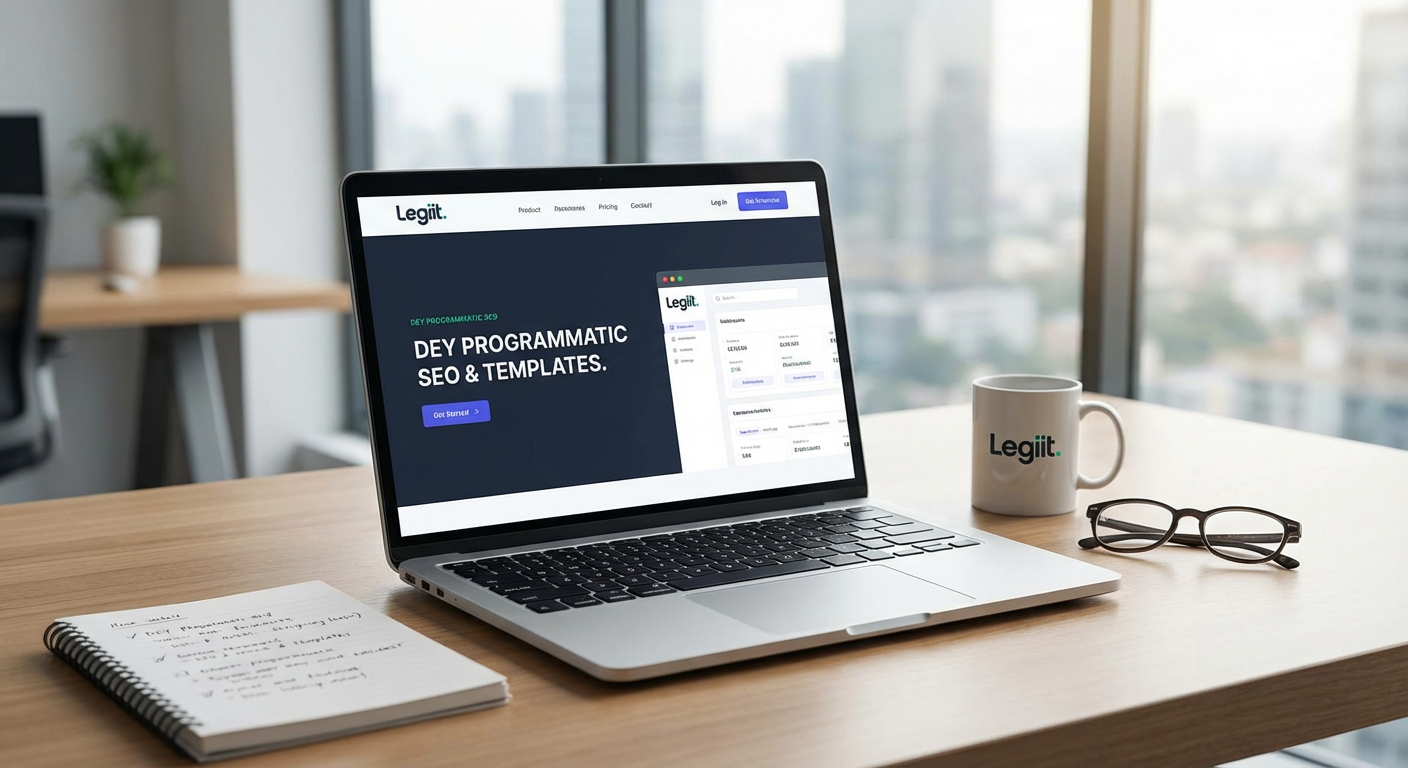
Legiit connects you with freelancers who specialize in programmatic SEO and can deliver custom templates built to last. The platform has grown into a hub for digital services, with sellers who stay current on search algorithm changes and modern content strategies. You can find experts who will build programmatic page structures, create scalable templates, or even handle the entire implementation for you.
What makes Legiit particularly valuable for future planning is the breadth of services available. You’re not locked into a single template format or approach. Instead, you can work with professionals who understand your specific niche and can adapt their methods as your needs change. The marketplace model means you have access to different perspectives and skill sets, which helps you stay flexible as programmatic SEO continues to develop.
- Webflow
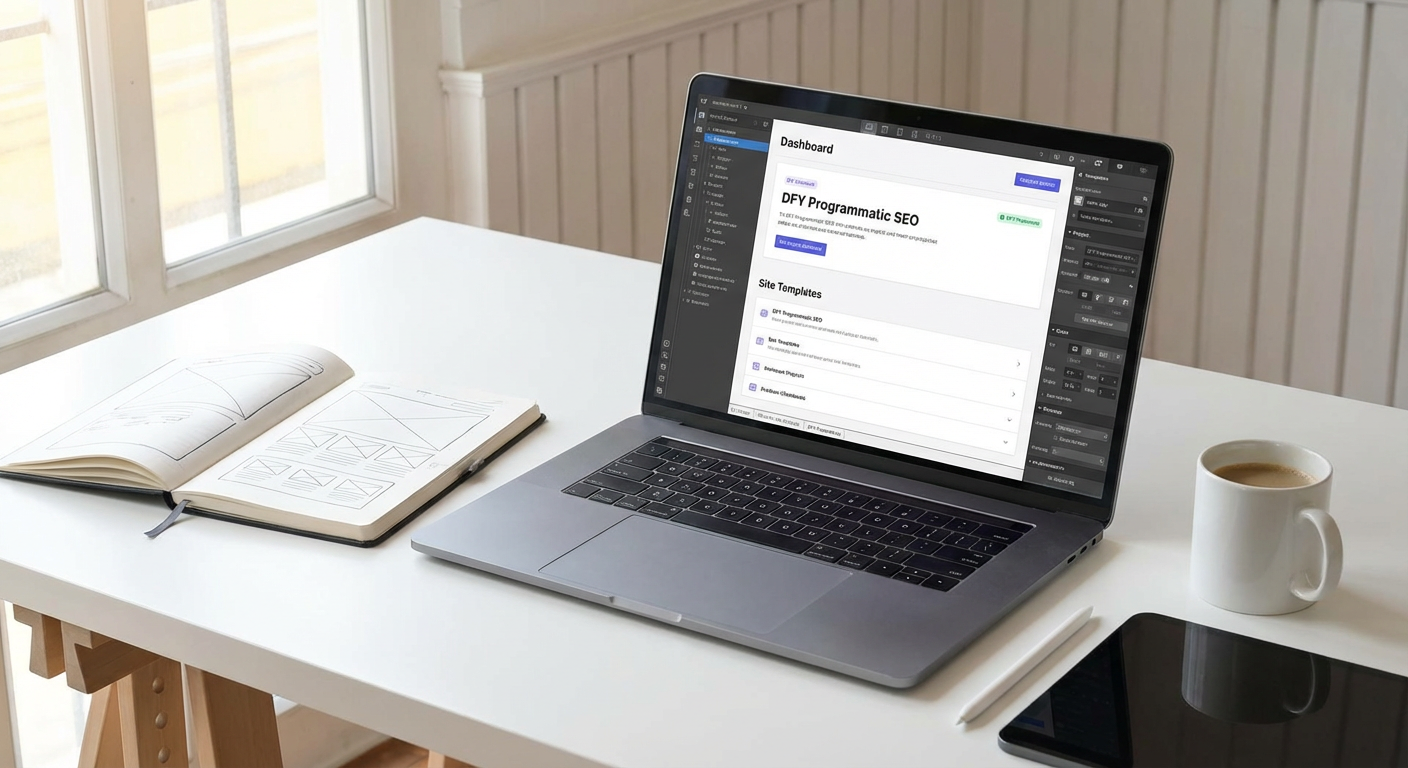
Webflow has positioned itself as a visual development platform that bridges design and code, making it a strong choice for programmatic SEO projects that need to scale without constant developer intervention. The platform’s CMS is built to handle thousands of pages generated from structured data, and the visual editor means you can adjust templates without touching code.
The platform regularly adds new features and stays current with web standards, which matters when you’re building something meant to last. You can create collection templates that pull from your data sources and generate pages automatically. The hosting infrastructure is solid, and the platform has shown consistent improvement over time, suggesting it will continue to adapt as web development practices change.
- Airtable with Softr
This combination gives you a flexible database paired with a no-code website builder that can turn your data into live pages. Airtable serves as your content management system where you structure all your programmatic content, while Softr generates the actual pages from that data. Both platforms are actively developed and have shown they can keep pace with user needs.
What makes this pairing smart for the long term is the separation of data from presentation. You can change how your pages look without rebuilding your entire data structure. Both tools have strong communities and regular updates, which suggests they’ll continue to adapt. The approach is modular enough that you could even swap out Softr for another front-end tool later if needed, while keeping your Airtable data intact.
- Next.js with Headless CMS
Next.js has become a go-to framework for developers building modern, fast websites that need to scale. When paired with a headless CMS like Contentful, Sanity, or Strapi, you get a setup built for programmatic content generation that can handle massive page counts while maintaining speed.
This approach is future-ready because it’s based on technologies that major companies are using and actively supporting. The static site generation and incremental static regeneration features mean your pages load fast, which search engines care about. The headless architecture means you’re not locked into a specific front-end technology. If web development shifts in a new direction, you can potentially rebuild the front end while keeping your content management system and data structure intact. The learning curve is steeper than some other options, but the flexibility and performance make it worth considering for projects that need to last.
- Notion with Super or Potion
Notion has become a popular workspace tool, and services like Super and Potion turn your Notion pages into live websites. This setup works surprisingly well for programmatic SEO because Notion’s database features let you structure content in repeatable ways, and the conversion tools generate fast-loading pages from that content.
The appeal for long-term planning is that Notion keeps improving its database and API capabilities, which means more options for automation and content management. Super and Potion both focus on performance and SEO, regularly updating their services to maintain fast load times and proper technical SEO implementation. You get the simplicity of managing content in Notion with the technical benefits of a properly optimized website. As Notion continues to expand its capabilities, this approach becomes more powerful rather than less.
- Framer
Framer started as a design tool but has evolved into a full website builder with CMS capabilities that work well for programmatic content. The platform lets designers and marketers build responsive sites with database-driven pages, all without writing code. Recent updates have focused specifically on performance and SEO, showing the company understands what modern websites need.
For strategic planners, Framer’s rapid development pace is both a feature and a consideration. The platform adds new capabilities regularly, which means it’s actively adapting to how websites are built today. The visual approach to building CMS templates means non-developers can manage and modify programmatic page structures. The company has backing and momentum, suggesting it will continue to develop rather than stagnate. If you want a tool that’s evolving quickly and staying current with design and performance trends, Framer deserves attention.
- WordPress with GeneratePress and Custom Post Types
WordPress powers a huge portion of the web, and while it’s not new, the modern WordPress setup for programmatic SEO looks very different from traditional WordPress sites. Using a lightweight theme like GeneratePress, custom post types for your programmatic content, and modern page builders or custom templates, you can create scalable programmatic sites that load fast and rank well.
The longevity argument for WordPress is simple: it’s not going anywhere. The platform continues to evolve with the block editor, full site editing, and performance improvements. The massive ecosystem means you’ll always find developers who can work with it, and plugins exist for virtually any functionality you need. For programmatic SEO specifically, custom post types let you structure content in repeatable ways, and modern WordPress hosting has become very fast. If you want a safe bet that will still be supported and developed years from now, WordPress with a modern approach remains solid.
- Carrd with Airtable Integration
Carrd is a simple site builder that recently added the ability to pull content from external sources like Airtable. While it’s more limited than some other options, this simplicity is part of its appeal for certain programmatic SEO projects. You can create clean, fast-loading landing pages that populate from your Airtable data, perfect for location pages, product variations, or service area pages.
The future-readiness here comes from Carrd’s focus on speed and simplicity. The sites it generates are extremely lightweight, which aligns well with where web performance standards are heading. The platform continues to add features thoughtfully rather than bloating, and the developer has shown consistent commitment to maintaining and improving the service. For projects where you need hundreds or thousands of similar pages that load instantly, this combination offers a streamlined approach that should age well.
- Bubble with Database-Driven Pages
Bubble is a no-code platform that lets you build full web applications, and it works well for programmatic SEO when you need more interactivity or functionality than a standard website. You can create database-driven page structures where each entry in your database generates a separate page, complete with custom URLs and metadata.
The platform has been around long enough to prove its staying power, and it continues to add features that matter for modern web applications. The ability to build custom functionality without code means you can create exactly the user experience you want for your programmatic pages. As web applications become more common and users expect more interactive experiences, having a platform that can deliver both content pages and functionality in one place becomes more valuable. The active community and ongoing development suggest Bubble will continue to adapt as web technologies change.
- Astro with Content Collections
Astro is a newer framework designed specifically for content-heavy websites that need to be fast. It takes a different approach than many frameworks by shipping zero JavaScript by default and only adding it where needed. For programmatic SEO, this means extremely fast page loads, which is increasingly important as Core Web Vitals and page speed become more significant ranking factors.
Content Collections in Astro let you structure your programmatic content in organized ways, with type safety and validation built in. The framework is built around modern web standards and is actively developed with performance and developer experience in mind. While it’s newer than some options, the rapid adoption by developers and the clear focus on solving real problems suggest it’s not a passing trend. For technical teams building programmatic SEO projects that need to perform well for years to come, Astro represents current best practices in web development.
- Glide from Google Sheets
Glide turns Google Sheets into mobile-friendly websites and progressive web apps. While it’s primarily known for app creation, it works well for certain types of programmatic SEO projects, especially directories, listings, or location-based content. You manage all your data in Google Sheets, which is familiar and easy to update, and Glide generates the pages automatically.
The long-term appeal is the combination of Google Sheets’ permanence and Glide’s focus on progressive web apps. As mobile continues to dominate web traffic, having a platform that prioritizes mobile experience makes sense. Glide regularly adds features and improves performance, and being built on top of Google Sheets means your data layer is stable and accessible. The approach is simple enough that non-technical team members can manage content, which matters for sustainability. If your programmatic SEO project is primarily mobile-focused or targets users who interact more with apps than traditional websites, Glide offers an interesting direction.
- Webstudio
Webstudio is an open-source visual website builder that aims to combine the ease of no-code tools with the flexibility of code. It’s newer than many options on this list, but the open-source nature means it has different longevity characteristics. The project is actively developed by a committed team and growing community.
What makes this interesting for forward-thinking projects is the ownership aspect. Because it’s open source, you’re not at the mercy of a company that might change direction or shut down. You can host it yourself if needed, and the community can continue development even if the original team steps back. For programmatic SEO, the visual builder makes template creation accessible while still allowing custom code where needed. The focus on web standards and performance aligns with where web development is heading. If you value control and want to bet on a platform where you’re not locked into a proprietary system, Webstudio offers an approach worth watching as it matures.
The platforms and approaches in this list share common traits: active development, modern technical foundations, and flexibility to adapt as requirements change. Programmatic SEO will continue to evolve as search engines get smarter and user expectations shift, so choosing tools that are being actively improved and supported gives you the best chance of staying relevant. Whether you prefer working with freelancers who can build custom solutions, using no-code tools that let you manage everything yourself, or implementing developer-focused frameworks that offer maximum control, there are options here designed to last. Pick the approach that matches your technical comfort level and long-term goals, and you’ll be building on solid ground.