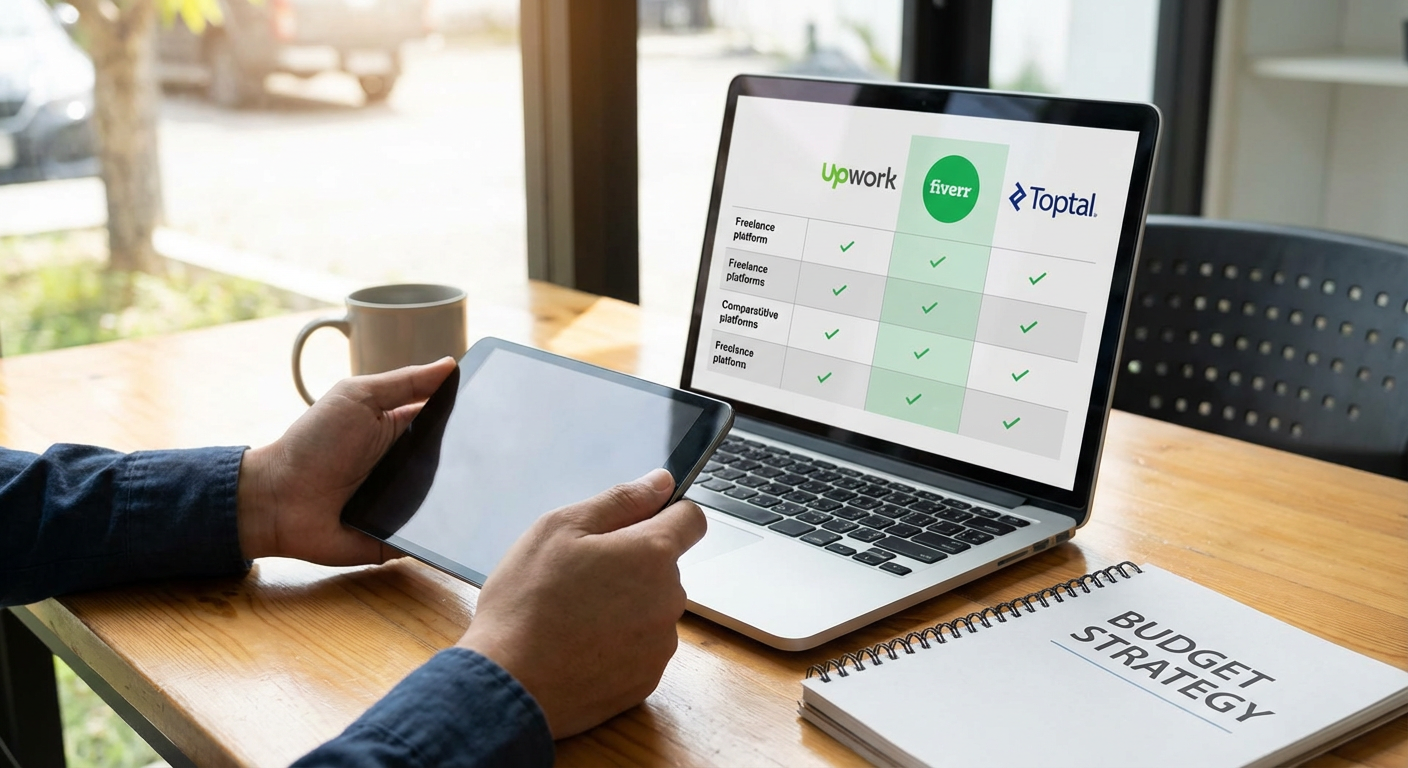
17 Budget-Friendly Freelance Marketplaces That Won’t Break the Bank for Small Businesses
Hiring freelancers can transform your small business, but only if you can afford it. The good news is that you don’t need a Fortune 500 budget to access talented professionals. Plenty of freelance marketplaces cater specifically to small businesses watching their bottom line. This list focuses on platforms that offer real value for money, whether through low fees, affordable talent pools, or flexible pricing structures. You’ll find options for every budget, from shoestring startups to growing companies ready to invest a bit more.
- Legiit: Transparent Pricing and No Hidden Costs
Legiit stands out for small businesses because everything is priced upfront. Freelancers list their services with clear prices, so you know exactly what you’re paying before you commit. There are no surprise fees or complicated bidding wars that waste your time.
The platform focuses heavily on digital marketing services like SEO, content writing, and social media management, which are often the biggest needs for budget-conscious small businesses. Many services start at surprisingly low price points, making it easy to test different freelancers without risking much capital. The straightforward approach means you spend less time negotiating and more time getting work done.
- Fiverr: Start Small With Services From Five Dollars
Fiverr built its reputation on affordable services, and while prices have expanded beyond the original five-dollar model, it remains one of the most budget-friendly options available. You can find everything from logo design to voice-overs at entry-level prices that won’t strain a tight budget.
The platform works well for small, well-defined tasks rather than complex projects. If you need a quick turnaround on something simple, Fiverr’s gig-based structure makes it easy to browse, compare, and purchase without lengthy negotiations. Just be prepared to spend more for higher quality or faster delivery.
- Upwork: Pay Only for What You Use
Upwork charges a service fee to freelancers rather than clients, which means you’re not paying extra platform fees on top of the freelancer’s rate. You can hire hourly or on a fixed-price basis, giving you control over how much you spend.
The Work Diary feature for hourly contracts tracks time and takes screenshots, providing accountability that helps prevent budget overruns. For small businesses nervous about remote work, this transparency can justify the investment. Upwork also offers payment protection, so you’re not sending money into the void and hoping for results.
- PeoplePerHour: Affordable Hourly Rates and Project Bundles
PeoplePerHour combines hourly hiring with pre-packaged project offers, giving you flexibility based on your budget. Many freelancers offer discounted bundles for multiple hours or recurring work, which can save you significant money over time.
The platform has a strong European freelancer base, which often means competitive rates compared to US-based platforms. You can filter by price range from the start, so you’re not wasting time looking at proposals that exceed your budget. The WorkStream feature also lets you manage projects efficiently without paying for expensive project management tools separately.
- Freelancer.com: Competitive Bidding Drives Prices Down
Freelancer.com operates on a bidding model where freelancers compete for your project, often driving prices lower than you’d find on fixed-rate platforms. For small businesses with limited budgets, this competition can result in surprisingly affordable quotes.
You post your project with a budget range, and freelancers submit proposals. You can compare not just prices but also experience levels, reviews, and portfolios before deciding. The platform also offers contests for design work, where multiple freelancers submit completed work and you pay only the winner, giving you options without upfront investment in each designer.
- Guru: Zero Fees for Basic Membership
Guru lets you create a free account and post unlimited projects without any membership fees. This makes it particularly appealing for small businesses that need to hire occasionally rather than constantly.
The SafePay system holds your funds until you approve the work, protecting your budget from freelancers who disappear or deliver subpar results. Freelancers typically charge competitive rates, and the platform’s WorkRoom feature consolidates communication, file sharing, and invoicing in one place. You won’t need to pay for additional collaboration tools, which adds up to real savings over time.
- 99designs: Fixed Prices for Design Contests
If you need graphic design work but can’t afford high-end agency rates, 99designs offers design contests with fixed pricing tiers. You describe your project, set your budget tier, and receive dozens of design options from multiple designers.
While not the cheapest option per project, you’re essentially getting multiple design concepts for one price. This eliminates the risk of paying a designer only to realize their style doesn’t match your vision. The bronze tier contest starts at a few hundred dollars, making professional design accessible for small businesses that need logos, packaging, or web design without breaking the bank.
- Toptal: Worth the Premium for Critical Projects
Toptal sits at the higher end of the pricing spectrum, but it can actually save you money if you’ve previously wasted budget on cheaper freelancers who couldn’t deliver. The platform pre-screens all freelancers, accepting only the top three percent of applicants.
For small businesses tackling a critical project like building a custom app or overhauling their financial systems, paying more upfront for a vetted expert prevents the costly mistakes that come from hiring the wrong person. You won’t burn through your budget on revisions or abandoned projects. Think of it as insurance against expensive failures on projects where you can’t afford to get it wrong.
- Contra: Commission-Free Platform Keeps Costs Low
Contra takes zero commission from either clients or freelancers, which means the rate you agree on is the rate you pay. This commission-free model can result in lower overall costs compared to platforms that add 10% to 20% in fees.
The platform attracts younger, digitally-savvy freelancers who often charge less than established professionals on other platforms. For small businesses willing to take a chance on emerging talent, this creates opportunities to get quality work at budget-friendly rates. The interface is clean and modern, making it easy to review portfolios and start conversations without friction.
- SimplyHired: Access to Freelancers Without Platform Fees
SimplyHired aggregates freelance job listings from across the web, letting you connect with freelancers directly without paying platform fees. You post a job description, receive applications, and handle everything outside the platform.
This approach requires more work on your end since you’re managing vetting, contracts, and payments yourself. However, for small businesses comfortable with that responsibility, you can save considerable money by avoiding platform commissions entirely. You’re also not locked into any platform’s payment or communication system, giving you complete control over the relationship.
- TaskRabbit: Affordable Help for Local Physical Tasks
While most freelance platforms focus on digital work, TaskRabbit connects you with local people for physical tasks like furniture assembly, moving help, or event setup. Rates are typically affordable, especially compared to hiring traditional contractors or agencies.
For small businesses with physical locations or events, TaskRabbit fills a budget-friendly niche that other platforms ignore. You can see hourly rates upfront, read reviews, and book help quickly. The per-task pricing structure means you only pay for the specific help you need rather than committing to ongoing contracts or minimum hours.
- CloudPeeps: Vetted Marketing Freelancers at Fair Rates
CloudPeeps specializes in marketing and content freelancers, offering a curated pool of pre-vetted professionals. While not the absolute cheapest option, the vetting process helps you avoid the costly trial-and-error of hiring ineffective marketers.
The platform’s focus means you’re not sifting through thousands of unrelated freelancers, saving you time that translates to money. Many freelancers on CloudPeeps offer package deals or retainer arrangements that provide better value than one-off projects. For small businesses serious about marketing but working with limited budgets, this middle-ground option balances cost with quality.
- Working Not Working: Free Access to Creative Talent
Working Not Working is a free platform where you can browse portfolios of creative professionals, from designers to copywriters to photographers. There are no posting fees, membership costs, or commissions.
You reach out directly to freelancers whose work appeals to you, negotiating rates without platform interference. This direct approach can lead to better deals, especially if you’re hiring for longer-term or recurring work. The platform attracts high-quality creatives, so you’re not sacrificing talent to save money. You just need to be comfortable handling the business side yourself.
- DesignCrowd: Crowdsourcing Reduces Design Costs
Similar to 99designs, DesignCrowd uses a crowdsourcing model where multiple designers compete for your project. The key difference is that DesignCrowd often has lower entry-level pricing, making it accessible for even tighter budgets.
You describe your design needs, set a budget, and receive dozens of concepts. This approach works particularly well for businesses that need simple designs like business cards, flyers, or social media graphics. You’re not paying premium rates for a single designer’s time when you only need something functional and attractive rather than award-winning.
- Gigster: Bundled Teams for Complex Projects at Predictable Costs
Gigster takes a different approach by assembling entire teams for software development projects and providing fixed-price quotes. For small businesses that need to build an app or complex website, this removes the uncertainty of hourly billing that can spiral out of control.
While the upfront cost might seem high, you’re getting project management, development, and quality assurance bundled together. This prevents the common budget disaster of hiring individual freelancers who don’t coordinate well or leave you with broken code. The predictable pricing lets you plan your budget accurately without nasty surprises halfway through development.
- We Work Remotely: Direct Hire With No Middleman Costs
We Work Remotely is a job board rather than a marketplace, meaning you post positions and freelancers apply directly. You pay a flat posting fee rather than ongoing commissions, which can save money if you’re hiring for longer-term contracts.
The platform attracts serious remote workers rather than gig-hoppers, so you’re more likely to find freelancers interested in stable, ongoing relationships. This stability can reduce your costs over time since you’re not constantly onboarding new people. For small businesses looking to build a reliable freelance team rather than hiring for one-off tasks, the direct-hire model offers better value.
- Bark: Get Multiple Quotes to Compare Prices
Bark flips the typical marketplace model by having service providers bid for your business after you describe your needs. This competition often results in more competitive pricing than if you approached freelancers individually.
The platform covers a wide range of services beyond typical digital work, including tutoring, personal training, and home services. For small businesses that need diverse help across different areas, having one platform to source affordable quotes saves both time and money. You’re in control of your budget from the start, only engaging with freelancers whose quotes fit your financial constraints.
Finding affordable freelance help doesn’t mean settling for poor quality. The platforms on this list prove that small businesses can access talented professionals without emptying their bank accounts. Start with the lower-cost options like Fiverr or Contra for simple tasks, then graduate to platforms with more vetting as your budget and needs grow. The key is matching the platform to both your budget and the complexity of your project. With so many options available, there’s no excuse for either overpaying or sacrificing quality. Test a few platforms with small projects, find what works for your business, and build from there.