
13 Hidden Gem Marketplaces to Hire Brand Designers and Logo Pros
When you need a brand designer or logo specialist, most people head straight to the big-name platforms everyone already knows about. But those crowded marketplaces often mean higher prices, longer wait times, and fierce competition for the best talent. This list focuses on the lesser-known platforms where skilled designers are waiting to be found. These hidden gems offer talented professionals, often at better rates and with more personalized service than the mainstream options. If you want to find quality design work without fighting through thousands of generic portfolios, these marketplaces deserve your attention.
- Legiit

While many people think of Legiit primarily for digital marketing services, it has quietly become a solid option for finding brand designers and logo specialists who understand online business needs. The platform attracts designers who know how to create visual identities that work across websites, social media, and digital campaigns. You will find professionals who combine design skills with marketing knowledge, which means your logo or brand package will be built with strategy in mind, not just aesthetics.
Legiit operates on a service marketplace model where designers list their specific offerings with clear pricing, so you know exactly what you are getting before you commit. This transparency removes much of the guesswork that comes with hiring creative professionals. Many designers on the platform offer package deals that include multiple logo concepts, brand color palettes, and file formats ready for immediate use.
- Krop
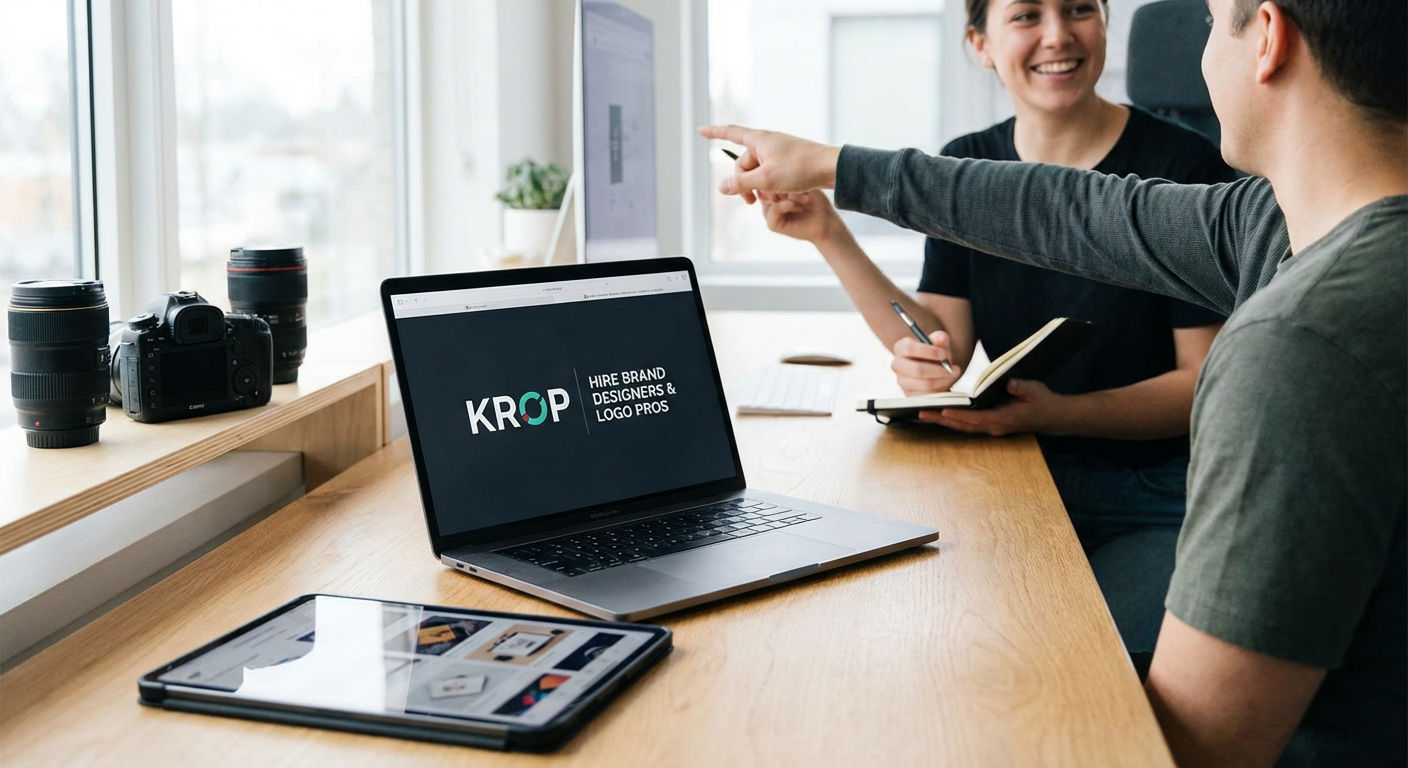
Krop started as a job board for creative professionals and has maintained a focus on connecting serious designers with clients who value quality work. The platform attracts designers with agency experience and formal training, but without the inflated prices you might find elsewhere. Because Krop is less saturated than the major freelance sites, designers here tend to be more responsive and willing to collaborate closely on projects.
The marketplace section lets you post your project details and receive proposals from interested designers. You can review portfolios that showcase real client work, not just practice projects or spec designs. Krop also includes a strong community element, which means the designers you find here are often more invested in their professional reputation and delivering work that stands up to industry standards.
- Working Not Working
This invite-only creative network operates differently from typical freelance marketplaces. Designers must be vetted and approved before they can join, which means you are looking at a curated pool of professionals rather than anyone who decides to sign up. The platform focuses on connecting companies with freelancers and full-time creatives, but the project-based hiring option works well for brand and logo work.
What makes Working Not Working worth exploring is the caliber of talent that has chosen to be there. Many designers use it as an alternative to traditional portfolio sites, and the interface makes it easy to filter by specialty, style, and availability. You will often find designers who have worked with recognizable brands but are now freelancing and looking for interesting projects. The platform skews more toward mid-career and senior designers, so expect higher skill levels and more strategic thinking.
- Coroflot
Owned by Core77, one of the most respected industrial design publications, Coroflot has built a reputation as a serious portfolio platform for designers across multiple disciplines. The brand and graphic design section includes professionals who approach identity work with the same rigor that product designers bring to physical objects. This mindset often results in logos and brand systems that are thoughtfully constructed and built to last.
You can search through designer portfolios for free and reach out directly to people whose work resonates with your vision. Because Coroflot is not structured as a bidding platform, you avoid the race-to-the-bottom pricing that plagues some marketplaces. Instead, you can have real conversations with designers about your project scope, timeline, and budget. The designers here tend to be more established and less likely to disappear mid-project.
- Folyo
Folyo takes a matchmaking approach to connecting clients with designers. Instead of browsing through hundreds of profiles or managing dozens of proposals, you submit your project details and Folyo recommends a small number of designers who fit your needs. This curated approach saves time and reduces the overwhelm that comes with choosing from too many options.
The platform focuses specifically on web and digital designers, many of whom have strong branding and logo design skills. Because Folyo screens both clients and designers, the quality of matches tends to be high. You will often find designers who have worked with startups and small businesses, so they understand how to create brand identities that work within real-world constraints. The platform charges designers a membership fee, which helps filter out hobbyists and keeps the talent pool focused on serious professionals.
- Reedsy
Originally built for authors and publishers to find editors, designers, and other publishing professionals, Reedsy has attracted a community of book cover designers who are exceptionally skilled at visual storytelling and brand identity. If you need a logo or brand that tells a story or conveys a specific feeling, these designers know how to do it. They work with symbolism, typography, and composition in ways that create immediate emotional connections.
The platform vets all professionals before they can join, and designers showcase their work through detailed portfolios. While Reedsy is niche, the skills that make someone good at book cover design translate well to logo and brand work, especially for businesses in creative industries, publishing, education, or content creation. You can post your project and receive proposals from interested designers, or browse portfolios and reach out directly.
- Creativepool
Based in the UK but serving clients globally, Creativepool operates as both a networking platform and a marketplace for creative professionals. The site attracts designers who are serious about their craft and who regularly update their portfolios with new work. The community aspect means designers are motivated to maintain high standards because their peers are watching.
You can search for brand designers and logo specialists by location, skill level, and industry experience. The platform includes a job posting feature where you can describe your project and receive applications from interested designers. Creativepool also publishes articles and features about design, which attracts designers who care about staying current with trends and techniques. This means you are more likely to find someone who can create a modern, relevant brand identity rather than recycled ideas.
- Authentic Jobs
While Authentic Jobs is primarily known as a job board for web professionals, it also serves as a connection point for freelance designers who specialize in digital branding. The platform has been around for years and has built trust within the design community. Designers who use Authentic Jobs tend to be established professionals with consistent work histories rather than newcomers testing the waters.
You can post a project listing describing your brand or logo needs, and designers will apply with their portfolios and proposals. Because the platform charges to post listings, you will receive applications from people who are genuinely interested and qualified, not mass proposals from anyone hoping to land work. The designers here often have experience with tech companies, startups, and digital products, so they understand how to create brands that work in online environments.
- DesignCrowd Alternative: DesignBro
DesignBro operates on a contest model but with more structure and quality control than typical crowdsourcing platforms. You create a detailed brief for your logo or brand project, and multiple designers submit concepts for you to review. The difference is that DesignBro pre-screens designers and provides more guidance throughout the process, which results in better submissions and fewer generic templates.
This approach works well if you want to see multiple interpretations of your brand without committing to a single designer upfront. You pay a flat fee based on the package you choose, and you receive a set number of design concepts. Once you select a winner, you can work with that designer on revisions until you are satisfied. The platform handles payments and file transfers, making the process straightforward. While not as personalized as hiring a designer directly, DesignBro offers a middle ground between DIY logo makers and full custom design services.
- Toptal
Toptal is known for its rigorous screening process, accepting only the top percentage of applicants into its network. While this exclusivity means higher rates, it also means you are working with designers who have proven skills and professional experience. The platform is particularly strong for brand projects that require strategic thinking, not just visual execution.
What sets Toptal apart is the matching process. You describe your project needs and the platform connects you with a designer who has relevant experience. If the match does not work out, Toptal will find you another option at no additional cost. This takes much of the risk out of hiring a designer you have never worked with before. The designers here often have agency backgrounds or have worked with major brands, so they bring a level of polish and professionalism that shows in the final work.
- SimplyHired Creative Section
SimplyHired aggregates job listings from across the web, but its creative section includes freelance and project-based opportunities that many designers monitor regularly. While not a traditional marketplace, you can post a project listing and reach designers who are actively looking for work. This often means faster response times and more motivated candidates than on platforms where designers are juggling dozens of ongoing projects.
The advantage here is cost. Posting is often free or low-cost, and you can describe exactly what you need without fitting into preset service packages. You will receive applications from local designers as well as remote options, giving you flexibility in how you want to work. Because SimplyHired is less saturated with design-specific projects, your listing will stand out more than it would on a platform where hundreds of similar projects are posted daily.
- AngelList Talent
AngelList is best known for connecting startups with investors and employees, but the talent section includes many designers who specialize in early-stage branding. If you are building a startup or launching a new product, the designers here understand the specific challenges you face. They know how to create brand identities that can grow and evolve as your business develops.
You can post your project as a contract position and receive applications from designers who are interested in working with startups. Many of these designers have experience with multiple industries and can bring insights from other projects to your brand. The platform is free to use for posting opportunities, and because it attracts people interested in the startup world, you will often find designers who are willing to work within tighter budgets in exchange for interesting projects and the possibility of ongoing relationships.
- Mandy Network
Originally created for film and television production crews, Mandy has expanded to include graphic designers, motion designers, and brand specialists who work in media and entertainment. If your brand or logo needs to work in video, animation, or other motion contexts, the designers here have those skills built in. They think about how logos animate, how brand elements move, and how visual identities translate across different media.
The platform operates as a job board where you can post your project and receive applications from interested designers. Because Mandy comes from the production world, the designers here are accustomed to tight deadlines, clear briefs, and collaborative workflows. They understand deliverables, file formats, and technical requirements in ways that purely print-focused designers might not. This makes Mandy a particularly good option if your brand will live primarily in digital or video spaces.
The best marketplace for your brand or logo project depends on your specific needs, budget, and working style. These lesser-known platforms offer real alternatives to the crowded mainstream sites, often with better designer-to-client ratios and more personalized attention. Take time to explore a few options, review portfolios carefully, and have conversations with designers before making your choice. The right match will result in a brand identity that represents your business well and stands the test of time. Start with one or two platforms that feel like the best fit, and remember that a smaller, more focused marketplace often leads to better results than the biggest name in the industry.